Hurricane and Wind-Driven Rain Damage in Tampa, FL
Tropical storms push rain sideways into window frames, roof edges and soffits. Crews find where it traveled, remove wet insulation and drywall, and dry the structure while keeping records for the adjuster.
(888) 621-2041Describe where the rain got in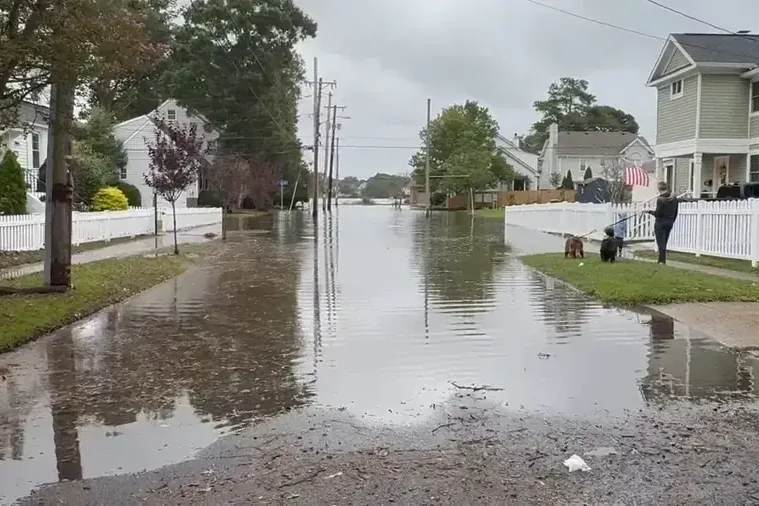
Hurricane damage is often a rain problem before it is a wind problem. Milton reached land near Siesta Key on October 9, 2024, and the city still recorded 11.43 inches of rain, a daily record, which shows how much water a wall or roof edge can face in one day.
First steps for hurricane and wind-driven rain damage
- 1
Cover openings
Use plastic or tarps only where it is safe to reach.
- 2
Check ceilings and walls
Look for stains, bubbling paint and soft drywall near windows and corners.
- 3
Document the storm
Photograph damage, dates and weather alerts for the adjuster.
- 4
Call for a moisture map
Hidden insulation and wall cavities need meters, not guesses.
What does hurricane and wind-driven rain damage cost in Tampa, FL?
Storm rain damage starts around $2,000 to $5,000 for one wall or window area and reaches $12,000 to $25,000 when a roof breach wets several rooms, with drying time as the main swing.
One wall or window
- Water extracted
- Baseboards pulled
- Cavity dried
Ceiling and rooms
- Wet insulation out
- Ceiling dried
- Thermal scans
Roof breach, many rooms
- Ceilings removed
- Generator drying
- Long monitoring
These are typical ranges, not a quote. The water category, the square footage, the material class and how soon drying began change the total most, and the water damage cost calculator narrows the range.
How hurricane and wind-driven rain damage is handled, step by step
The walkthrough starts with a moisture map, so the drying plan matches what is truly wet. Air movers and dehumidifiers stay until the meters read dry, not until the surface looks dry.
Trace the path
Meters follow rain from the opening to the wettest framing.
Remove soaked layers
Wet insulation and weak drywall come out first.
Dry and monitor
Dehumidifiers and air movers run, with readings logged daily.
Hand over the file
Photos, logs and equipment notes are organized for the adjuster.
Where wind-driven rain gets in
Rain finds the gaps that ordinary storms miss: window frames, flashing, soffits and roof edges, then runs down inside wall cavities. Insulation holds that water against drywall, so damage can grow behind paint that still looks fine.
- Wet insulation is removed from ceilings and walls
- Thermal imaging traces water along framing
- Ceiling and wall drywall is opened where moisture will not dry in place
- Generators can run drying equipment when power is out
Drying while repairs are pending
Storm repairs rarely happen right away, and a roof or window may stay open for days. The crew dries what it can, sets monitoring on a schedule and keeps photos, readings and equipment records so the claim shows the full loss.
- Moisture checks continue until readings reach dry targets
- Tarps and boards are logged for the adjuster
- Contaminated flood water is separated from rain damage
Permits, letters and the claim file
Rebuilding after the 2024 storms is tracked: by September 2025 the city had issued 1,544 permits for home repairs, and in December 2024 it began mailing about 1,900 FEMA substantial damage letters. Dated moisture logs help support both. See storm surge flood cleanup when bay water was involved.
Hurricane and wind-driven rain damage here and in nearby towns
Hurricane damage crews cover homes and offices from Palmetto Beach and Davis Islands to Culbreath, Westshore and the older streets of Hyde Park and Seminole Heights.
The same service nearby: hurricane and wind-driven rain damage in Hudson, Belleair, Tarpon Springs.
Every water damage service for this town · every town covered
Related water damage services in Tampa
Hurricane and Wind-Driven Rain Damage questions, answered
Is rain damage from a hurricane different from a leak?
Wind-driven rain enters through many small openings at once, so wet areas are scattered and hidden. Crews use meters and thermal imaging to find all of them before drying starts.
How many repair permits followed the 2024 hurricanes?
By September 2025 the city had issued 1,544 permits for home repairs from the 2024 hurricanes. Drying comes before rebuilding, and moisture records help show what needed to be replaced.
What is a substantial damage letter?
The city began mailing about 1,900 FEMA letters in December 2024 to owners in flood hazard areas. When repair costs pass half a home's value, rebuilding must meet today's floodplain and code requirements.
Can drying equipment run without power?
Yes. When power is out after a storm, generators can run air movers and dehumidifiers, and the crew sets them so fuel use and readings stay on schedule.
When does hurricane season start and end?
It runs June 1 to November 30. No hurricane has made landfall in the immediate Tampa Bay area since the 1921 hurricane, but tropical storms still bring heavy rain and surge to the area.
Rain keeps working after the storm ends
Insulation and framing hold moisture after the weather clears, so call now and the crew will map it.
(888) 621-2041Start the storm dry-out- Crews sent out day and night
- Dried to the IICRC S500 standard
- Daily readings for the adjuster
- Find us on Google