Manufactured Home Water Damage in Hudson, FL
In a manufactured home, water runs through the floor into the subfloor decking and the insulation held by the belly wrap underneath. The restoration team dries the home from inside and from below.
(888) 621-2041Get the manufactured home dried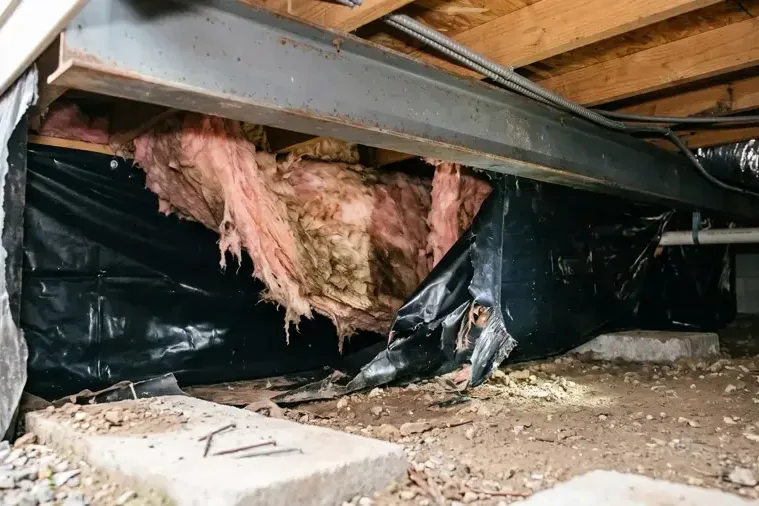
Manufactured homes make up a large share of the housing on this part of the Pasco coast, in parks and on private lots. They are built differently from block homes on slabs: the floor is decking over framing, with insulation and plumbing held up by a belly wrap underneath. Water that gets through the floor can sit there for weeks.
First steps for manufactured home water damage
- 1
Close the main
Shut the water off at the main valve or the meter.
- 2
Cut power to wet areas
Turn off breakers for wet rooms if the panel is dry.
- 3
Stay off soft floors
Keep weight off soft or sagging floor sections.
- 4
Photograph and call
Document wet floors, ceilings and the underside if safe.
What does manufactured home water damage cost in Hudson, FL?
Manufactured home water damage cleanup here typically runs $1,500 to $18,000, depending on the source, how much subfloor and underfloor insulation got wet and whether the belly wrap has to be opened.
One room, caught early
- Extraction
- Subfloor readings
- In-place drying
Subfloor and belly wrap
- Wet insulation out
- Decking replaced where failed
- Framing drying
Storm or whole floor
- Category 3 removal
- Belly wrap replacement
- Extended drying
These are typical ranges, not a quote. The water category, the square footage, the material class and how soon drying began change the total most, and the water damage cost calculator narrows the range.
How manufactured home water damage is handled, step by step
The walkthrough starts with a moisture map, so the drying plan matches what is truly wet. Air movers and dehumidifiers stay until the meters read dry, not until the surface looks dry.
Inspect both sides
Meters inside, a look under the belly from outside.
Remove what failed
Wet insulation and failed decking come out.
Dry the floor system
Air movers and dehumidifiers on framing and decking.
Close it up
Readings confirm dry before the belly wrap is closed.
Where water goes in a manufactured home
Leaks show up in different places than in a slab home.
- Supply pipes under the floor that drip into the belly wrap.
- Particleboard subfloor that swells and softens near tubs, toilets and washers.
- Roof seams and vents that leak into the thin ceiling panels.
- Storm water that rises under the home and soaks the underfloor insulation.
How the restoration team dries it
The tech who does the walkthrough checks the floor from inside and the belly from below. The crew removes wet underfloor insulation through the belly wrap, cuts out swollen decking where it cannot dry and runs air movers and dehumidifiers on the floor framing and walls. The belly wrap gets patched or replaced after drying.
- Belly wrap opened where insulation is wet.
- Subfloor decking replaced only where it has failed.
- Ceiling panels and walls checked after roof or storm leaks.
Storm season for manufactured homes
Manufactured homes face extra risk from wind and storm water. Ready.gov hurricane advice covers evacuation for manufactured homes, and HUD sets the federal construction code these homes are built to. Surge flooding is covered on the storm surge flood cleanup page.
Manufactured home water damage across west Pasco County
The restoration crew covers ZIP 34667, 34669 and 34674, from the Gulf-front canal streets west of US 19 to Beacon Woods, Heritage Pines and the SR 52 corridor.
Nearby coverage reaches Bayonet Point, Aripeka, Shady Hills, Port Richey, New Port Richey, Jasmine Estates, Spring Hill, Hernando Beach.
Related water damage services
Manufactured Home Water Damage questions, answered
What is the belly wrap on a manufactured home?
It is the barrier under the floor that holds the underfloor insulation and protects the plumbing. Water that gets inside it can sit there for weeks.
Can a soft floor in a manufactured home be dried?
If the decking is wet but still solid, yes. Particleboard that has swollen and softened usually needs replacement.
Why does a small leak cause so much damage under the floor?
Water collects in the belly wrap and soaks the insulation, which holds it against the decking and framing.
Is a manufactured home dried differently from a block home?
Yes. The floor system is dried from below as well as inside, and the belly wrap is opened where needed.
Does storm water under the home count as Category 3?
Yes. Floodwater and surge that reach the underside count as Category 3, so wet insulation is removed.
Is manufactured home water damage covered by insurance?
It depends on the policy and the source of the water. Flooding usually needs flood coverage. Check with your own insurer.
Soft, wet floors? Get the subfloor dried.
Water in the belly wrap stays hidden and keeps soaking the floor. The restoration crew checks both sides.
(888) 621-2041Manufactured home drying, 24/7- Crews sent out day and night
- Dried to the IICRC S500 standard
- Daily readings for the adjuster
- Find us on Google