Hurricane Water Damage in Belleair, FL
Wind-driven rain finds its way past damaged shingles, window seals and soffits and settles in ceilings and walls. Crews trace the wet path, remove saturated materials and dry the structure from the top down.
(888) 621-2041Rain coming through a ceiling or wall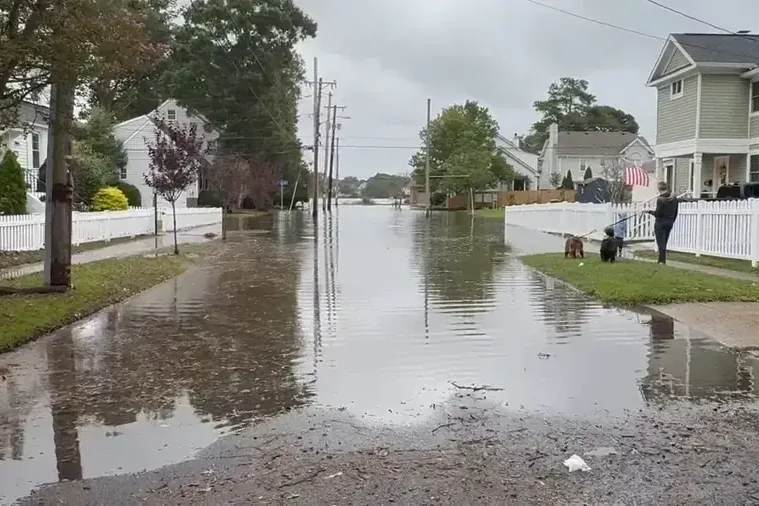
Hurricane season runs from June 1 through November 30, and storms push rain sideways into places a normal shower never reaches. After Hurricane Helene reached Pinellas County in September 2024, the town's own post said Hurricane Milton followed two weeks later. That sequence matters for drying, since a home can take on water twice in one season.
First steps for hurricane and wind-driven rain damage
- 1
Stay off the roof
Roof work after a storm is dangerous, so leave the opening to a roofer.
- 2
Catch the drips
Place buckets and towels under active leaks and move belongings aside.
- 3
Photograph the damage
Take wide and close photos of wet ceilings, walls and floors.
- 4
Call for drying
Describe the wet rooms so the crew brings the right equipment.
What does hurricane and wind-driven rain damage cost in Belleair, FL?
One wall or window area often runs $2,000 to $5,000, several rooms or a ceiling reach $5,000 to $12,000, and a roof breach with many wet rooms runs $12,000 to $25,000.
One wall or window area
- Water extracted
- Baseboards pulled
- Cavity dried
Several rooms or a ceiling
- Wet insulation out
- Ceiling dried
- Thermal scans
Roof breach, many rooms
- Ceilings removed
- Generator-run drying
- Long monitoring
These are typical ranges, not a quote. The water category, the square footage, the material class and how soon drying began change the total most, and the water damage cost calculator narrows the range.
How hurricane and wind-driven rain damage is handled, step by step
The walkthrough starts with a moisture map, so the drying plan matches what is truly wet. Air movers and dehumidifiers stay until the meters read dry, not until the surface looks dry.
Trace the path
Thermal imaging follows the rain down through attic and wall.
Remove soaked layers
Wet insulation and drywall that cannot dry are taken out.
Dry top down
Air movers and dehumidifiers run where water entered and settled.
Log the readings
Daily numbers show when each surface is dry.
Where wind-driven rain gets in
Lifted shingles, cracked window seals, failed flashing and soffit vents let rain into attics and wall cavities. Chimneys, vents and skylights are other common entry points, and the water travels along framing before it shows on a ceiling.
- Attic insulation soaked and compressed
- Ceiling drywall sagging or stained
- Wall cavities wet below window openings
- Floors wet along exterior walls
What the town's post-disaster plan allows
After a declared emergency, a Disaster Repair Permit covers work that restores a structure to its pre-damage condition and lasts 180 days unless extended. Over the counter permits can cover roof covering repair, minor electrical repair, and replacing drywall, interior doors, cabinets and flooring.
- Photos of every wet surface before cleanup
- Moisture readings kept for each day of drying
- Receipts for tarps and emergency repairs
- Notes on what was removed and why
Why a second storm matters
Wet insulation and drywall left in place keep holding water for days. When another storm hits, as Milton did after Helene, the next round of rain meets materials that are already saturated. Crews take fresh readings after a second wetting, because the earlier numbers no longer apply.
Hurricane and wind-driven rain damage here and in nearby towns
Storm crews cover ZIP 33756, from the Indian Rocks Road corridor and Belleview Boulevard to Willadel, Belleview Estates and the Bayview Drive bluff area.
The same service nearby: hurricane and wind-driven rain damage in Hudson, Tarpon Springs, Tampa.
Every water damage service for this town · every town covered
Related water damage services in Belleair
Hurricane and Wind-Driven Rain Damage questions, answered
Does hurricane water damage need special equipment?
Often more of it. Rain that entered through a roof or wall soaks insulation and cavities, so thermal imaging, extraction and several dehumidifiers may all be needed.
Can drying start before the roof is repaired?
Emergency tarping should come first, since open roofing lets more rain in. Drying then proceeds once the opening is covered and the structure can stay dry.
What does an over the counter permit cover?
Under the town's post-disaster plan it can cover roof covering repair, minor electrical repair, and replacing drywall, interior doors, cabinets and flooring when no extra technical checks or substantial damage finding are needed.
How long does a Disaster Repair Permit last?
It exists only during a declared emergency and stays in effect for 180 days unless extended. It covers restoring a structure to its pre-damage condition, not additions or remodels.
Is hurricane damage the same as flood damage?
Not always. Wind-driven rain entering from above is usually cleaner than rising floodwater, though time can change that, and a crew tests and classifies the water first.
When does hurricane season start and end?
It runs from June 1 through November 30, though pipe and roof leaks happen year round. Photos and moisture readings help any claim, whatever the month.
Dry the house from the top down
A crew traces the wet path, removes soaked materials and keeps readings and photos for the storm claim.
(888) 621-2041Request a storm drying crew- Crews sent out day and night
- Dried to the IICRC S500 standard
- Daily readings for the adjuster
- Find us on Google