Water Damage Restoration Hudson, FL
24/7 water damage restoration in Hudson, FL. The restoration team pulls out standing water, dries the slab and walls to the IICRC S500 standard and documents every step for your insurance claim.
(888) 621-2041Water spreading across the slab? Call now.ZIP 34667, 34669 and 34674, plus Bayonet Point, Aripeka and Shady Hills.
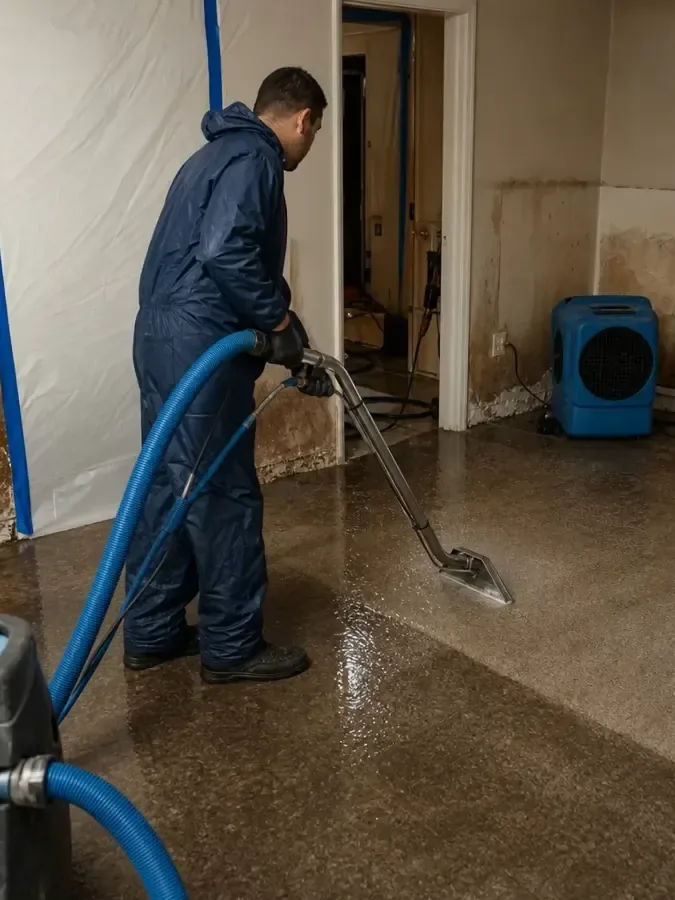
Water Damage Restoration Services in Hudson, FL
Fourteen kinds of water loss, each handled the way its source demands. Gulf storms, copper under the slab and year-round humidity shape most of the work on this coast.

Water Extraction and Removal
Standing water pulled off tile, carpet and the slab with truck-mounted extraction before it wicks into walls and cabinets.
See the service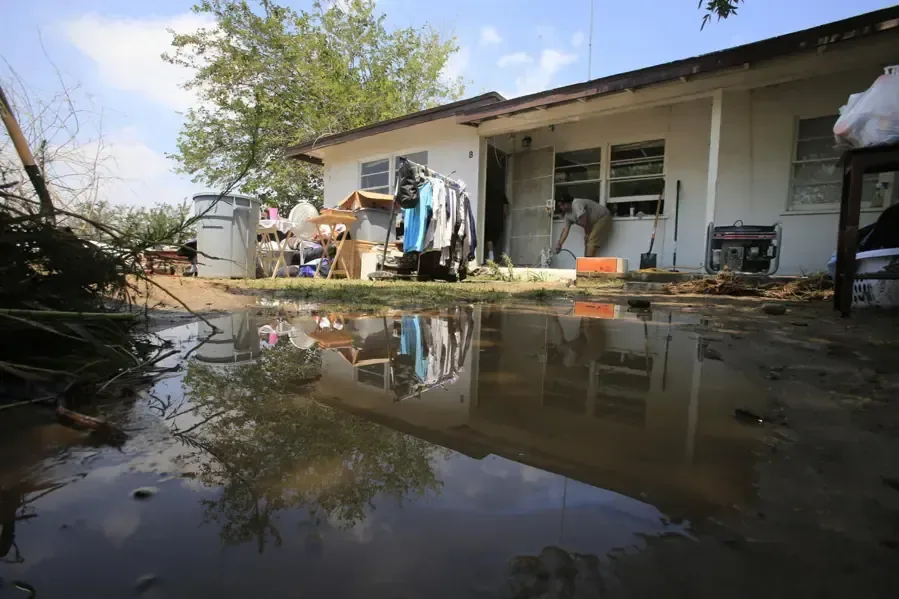
Storm Surge Flood Cleanup
Salt water from a hurricane surge handled as Category 3: wet drywall, insulation and flooring out, the slab cleaned and dried.
See the service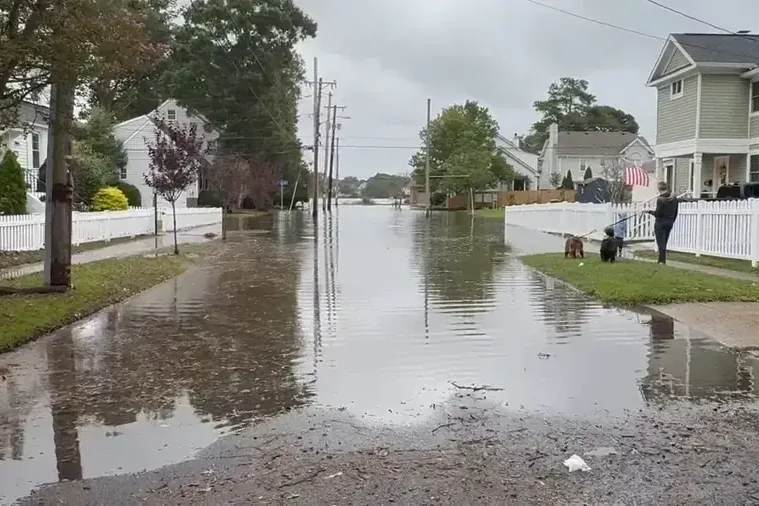
Hurricane and Wind-Driven Rain Damage
Rain driven through sliders, windows, soffits and torn roofing during a tropical storm, traced and dried room by room.
See the service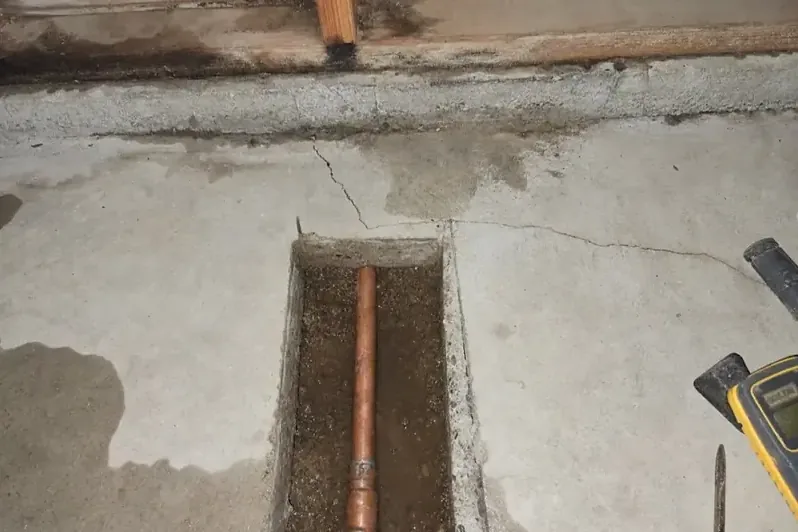
Slab Leak Water Damage
Copper supply pipe that pinholes under the floor, found with meters and thermal imaging, then the slab and walls dried.
See the service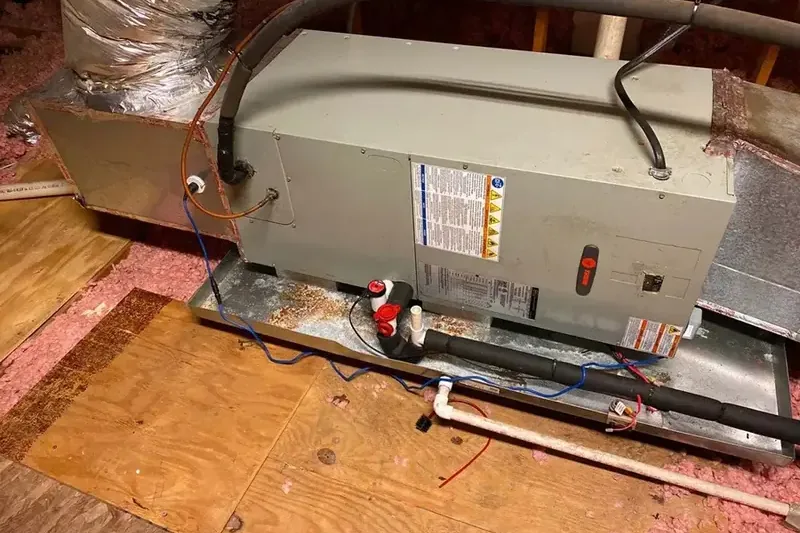
AC Leak Water Damage
Clogged condensate drains and overflowing air handler pans that soak ceilings, closets and hallway floors.
See the service
Burst Pipe Water Damage
Polybutylene, CPVC and copper supply failures extracted, walls opened only where readings say, cavities dried.
See the service
Ceiling Leak Water Damage
Water from an attic air handler, a bathroom or a supply pipe above, traced through sagging drywall and dried.
See the service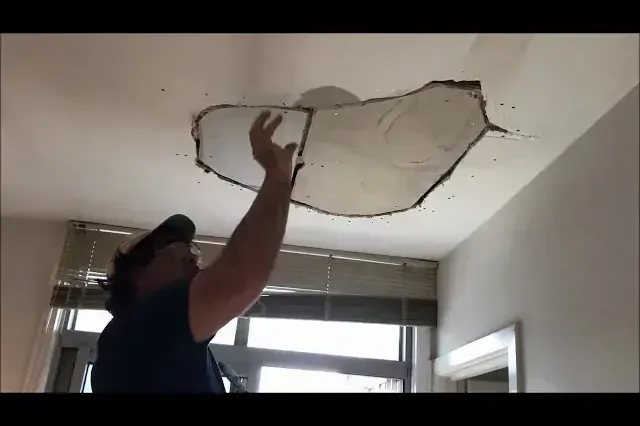
Roof Leak Water Damage
Leaks at flashing, vents and worn shingles during summer downpours, wet attic insulation pulled and ceilings dried.
See the service
Sewage Backup Cleanup
Category 3 backups from cast iron drains, septic systems or a storm-flooded sewer, contained and treated.
See the service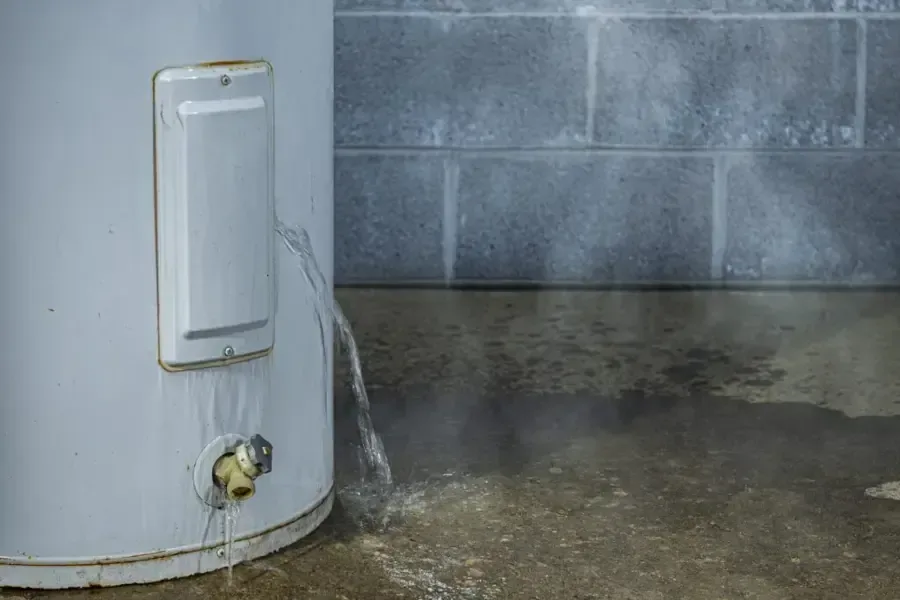
Water Heater Leak Cleanup
Garage and utility closet tank failures extracted, with the walls, baseboards and slab around them dried.
See the service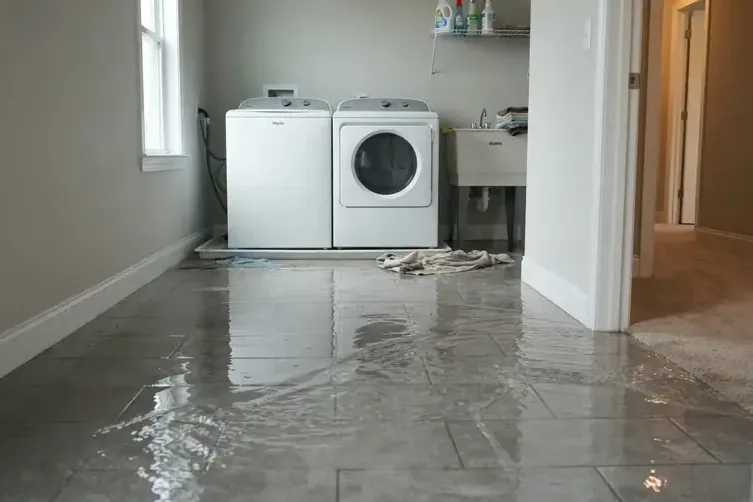
Appliance Leak Water Damage
Washer, dishwasher, ice maker and refrigerator supply failures dried under cabinets and flooring.
See the service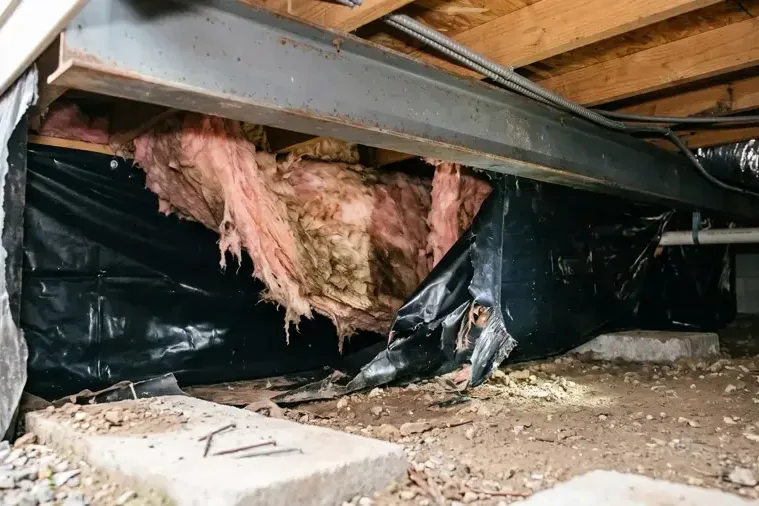
Manufactured Home Water Damage
Manufactured homes dried from below too: subfloor decking, belly wrap insulation and the framing under the floor.
See the service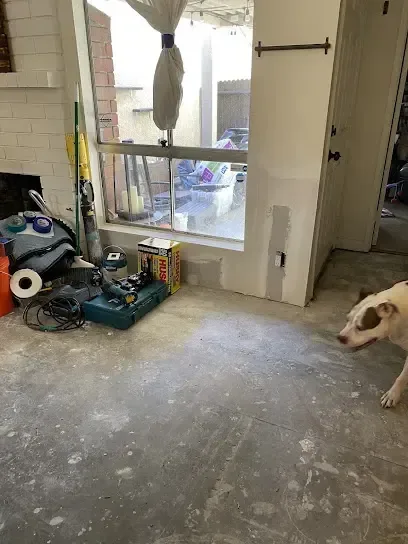
Structural Drying and Dehumidification
Drywall, framing and the slab dried to within 2 to 4 points of a dry reference, with LGR dehumidifiers for the humidity.
See the service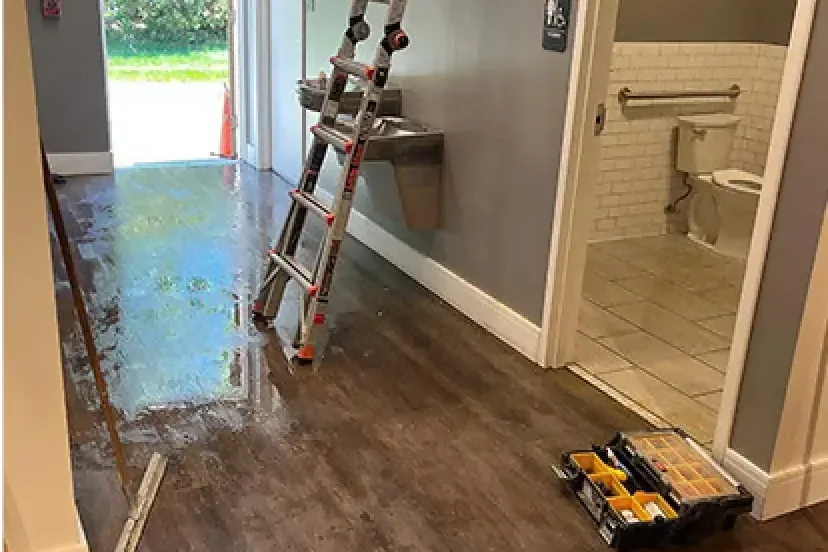
Commercial Water Damage
Plazas, offices and medical suites along US 19 dried in phases so the doors can stay open where possible.
See the serviceWhat to do while the water is still moving
- 1
Close the main valve
In most slab homes here the main sits near the meter box by the street or where the pipe enters the house wall.
- 2
Cut power to wet rooms
Switch off those breakers only if the panel is dry and you can reach it without standing in water.
- 3
Shut off the AC if it is the source
When water is coming from the air handler, turn the system off at the thermostat until the drain is cleared.
- 4
Photograph everything
Take wide shots and close-ups of every wet room before anything is moved or thrown out.
- 5
Lift what you can
Get rugs, papers and furniture legs off wet floors, then call for extraction.
Water damage dried to the IICRC S500 standard
Gulf humidity works against every dry-out. Open windows let wet summer air back in, so what separates a finished job from a patched one is closed-house drying, dehumidifiers sized to the load and readings that prove the structure is dry.
Moisture mapping first
The tech who does the walkthrough maps wet drywall, baseboards and slab with pinless meters and thermal imaging before any equipment goes down.
Extraction and removal
The extraction crew pulls standing water with truck-mounted units. Only materials that cannot dry, or that Category 3 water touched, come out.
Dehumidifiers sized for the air
The drying team sets air movers to the evaporation load and runs LGR dehumidifiers with the house closed, so humid outdoor air stays out.
Proven dry, not assumed
Daily psychrometric logs track progress, and equipment stays until materials read within 2 to 4 points of a dry reference.
What does water damage restoration cost in Hudson, FL?
Water damage restoration on this coast typically runs $1,200 to $30,000. Most clean-water leaks land at the low end, while storm surge and sewage losses that need tear-out sit at the top.
Small clean-water leak
- One or two rooms
- Extraction and drying in place
- Daily moisture readings
Slab leak or several rooms
- Flood cuts and baseboard removal
- Wall cavity and slab drying
- Claim documentation
Surge or sewage, whole floor
- Category 3 tear-out
- Containment and HEPA air scrubbers
- Extended drying
These are typical ranges, not quotes. The category of water, the square footage, the material class and how fast drying started move the number most. Try the water damage cost calculator for a range based on your rooms, water source and flooring.
All water damage categories covered in Hudson, FL
Category 1: clean water
Slab leaks, supply hoses and water heaters. Caught early, most materials dry in place.
Slab leak water damageCategory 2: gray water
AC condensate overflows, washers and dishwashers. Wet pad usually comes out and surfaces get an antimicrobial.
AC leak water damageCategory 3: black water
Sewage and storm surge. Porous materials it touched are removed under containment, never dried in place.
Sewage backup cleanup
How the restoration crew handles a water loss here
Water on a slab moves sideways. It runs under tile, wicks up drywall and baseboards, and hides under cabinets and inside closets long after the floor looks dry. The crew follows it with meters instead of guessing, and the walkthrough always checks the rooms next door.
Rapid local response
The response team dispatches around the clock, and active water is treated as urgent at any hour, storm season or not.
IICRC S500 drying standard
Structural drying, not just surface drying, with equipment sized to the class of loss and the humidity in the house.
Claim-ready documentation
Moisture maps, daily drying logs and timestamped photos taken before any tear-out, ready for the adjuster.
Local water know-how
Surge flooding, copper slab leaks, AC drain overflows and manufactured home subfloors are everyday losses on this coast.
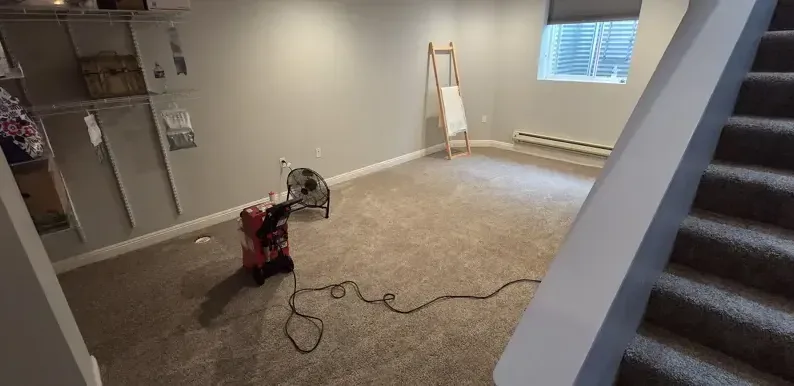
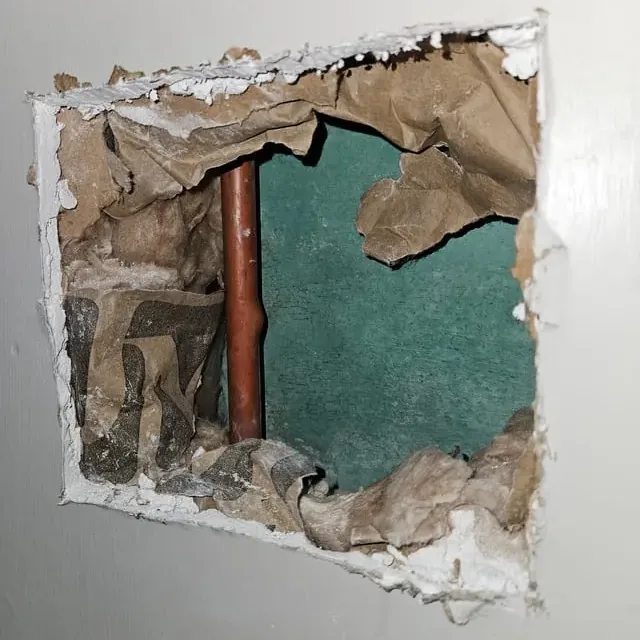
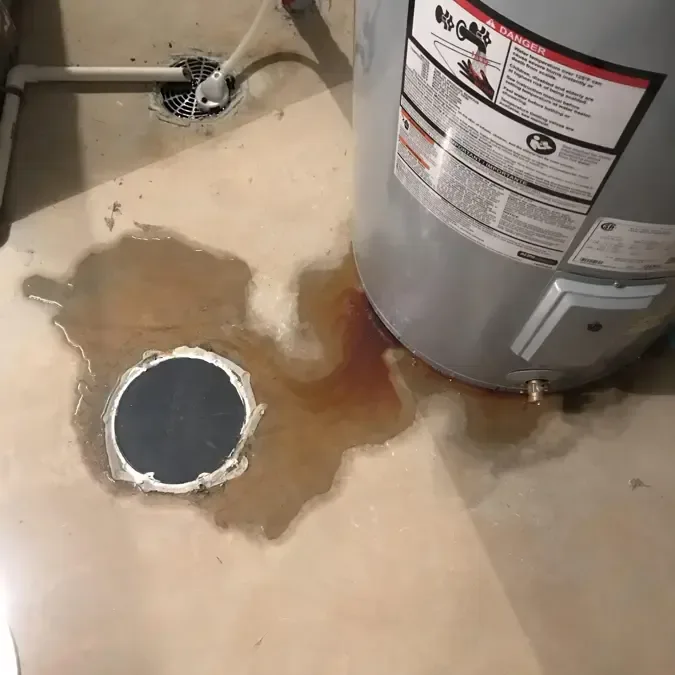
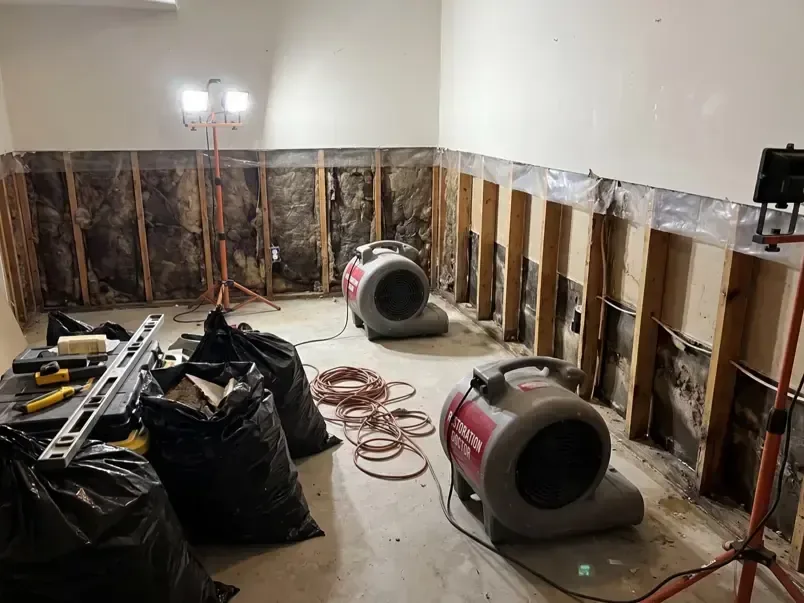
What a water damage dry-out looks like on the job


Documentation for your insurance claim
A water claim is decided on the file, not on the phone call. A complete claim file for a coastal home carries the following.
- The moisture map from the first visit, showing every wet material and room
- The water category and class of loss, recorded before any tear-out
- Timestamped photos taken before demolition, plus the source of the water
- Daily psychrometric drying logs until materials reach the dry goal
- A line-item scope of the work, written in the format adjusters use
Check your own policy
Sudden and accidental discharge, a slab leak or a burst supply hose for example, is treated differently from rising surge or floodwater, which falls under flood insurance. Many Florida homeowners policies also carry a separate hurricane deductible.
Coverage depends on your policy, so check with your own insurer before work starts. The claim file gives the adjuster the facts either way.
Water damage restoration across west Pasco County
Neighborhoods and corridors
ZIP codes
Nearby places
Water damage in Hudson, FL: the local risk profile
This stretch of the Pasco coast mixes saltwater canals west of US 19 with inland neighborhoods built mostly from the 1970s through the 1990s. Water risk comes from the Gulf, the summer sky and the plumbing under the slab.

Hurricane Helene stayed far offshore, yet its storm surge pushed Gulf water into homes along the Pasco coast, the canal streets here included.
- Storm surge: Low slab homes on canals and near the beach take salt water through doors and garages when a hurricane pushes the Gulf inland.
- Copper under the slab: Supply pipe buried in 1970s and 1980s slabs pinholes with age, and the leak shows up as warm tile or wet baseboards.
- AC condensate overflow: Air handlers run most of the year, and algae clogs the drain until the pan spills into a ceiling or closet.
- Summer downpours: Afternoon thunderstorms from June through September test roof flashing, sliders and older shingles day after day.
- Aging drains and septic: Cast iron drain pipe under older slabs cracks and corrodes, and septic systems back up when the ground is saturated.
Water damage questions from coastal homeowners
What should I do in the first hour after finding water?
Close the main valve or the fixture valve, switch off power to wet rooms if the panel is dry, stay out of standing water near outlets and photograph everything before moving it. Then call for extraction.
How fast does someone respond?
Dispatch runs 24/7 and active water is treated as urgent. Timing depends on the weather, the time of day and how many homes a storm has hit, and the first conversation covers when the crew can be there.
How long does drying take in this humidity?
A contained Class 1 loss usually dries in three to five days. Gulf humidity, a soaked slab under tile or a power outage after a storm can stretch that, so the drying team keeps the house closed and lets the readings decide. The drying time estimator gives a typical window.
Is storm surge damage covered by homeowners insurance?
Usually not. Rising water from surge or flooding falls under flood insurance, while sudden pipe or appliance leaks are usually a homeowners matter. Coverage depends on your policy, so check with your own insurer.
What is the IICRC S500 standard?
It is the industry standard for professional water damage restoration. It covers water categories, classes of loss, equipment and the drying goal: materials within 2 to 4 points of a dry reference material.
How do I know if I have a slab leak?
Warm spots on tile, a water bill that jumps, the sound of running water with every fixture off, or wet baseboards with no visible source are common signs. A plumber confirms and repairs the leak, and the slab leak water damage crew dries what it soaked.
Why does my AC leak water into the house?
Air handlers pull water out of humid air all day, and the condensate drain clogs with algae and sludge. When the pan or the float switch fails, the overflow lands in a ceiling, closet or hallway floor.
Does drywall always have to come out?
No. Drywall wet with clean water and dried quickly can often stay. Drywall touched by Category 3 water, such as surge or sewage, and walls that stayed wet for days usually come out to the flood cut.
Why is a sewage backup handled differently?
Sewage is Category 3 water the moment it happens. The crew contains the area, wears protective gear, removes porous materials it touched and treats surfaces with an EPA-registered antimicrobial.
What is the difference between mitigation and repair?
Mitigation stops the damage: extraction, drying and removing what cannot be saved. Repair puts the home back: drywall, flooring, cabinets and paint. Most claims treat them as separate steps.
Water damage in Hudson? Get the drying underway.
Every hour water sits, more drywall, baseboard and cabinet has to come out. The extraction crew pulls the water, and the drying team dries the slab and walls and documents every step.
(888) 621-2041Start the coastal dry-out tonight- Crews sent out day and night
- Dried to the IICRC S500 standard
- Daily readings for the adjuster
- Find us on Google