Water Damage Restoration Tampa, FL
Round-the-clock water damage restoration for Tampa homes and businesses, from bayside storm surge to leaking roofs and broken pipes, with crews who map, extract and dry every wet room to a measured goal.
(888) 621-2041Name the neighborhood and the water sourceServing ZIPs 33606, 33609 and 33611, plus Hyde Park, Ybor City and Davis Islands.
Water Damage Restoration Services in Tampa, FL
Rainy season thunderstorms, slow-draining flat ground and bay surge drive most flooding here, while leaks, slab trouble and sewage backups keep crews busy in every season.

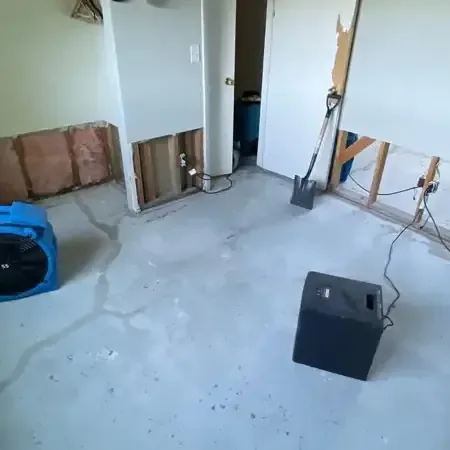
Water Extraction and Removal
Wands and pumps pull standing water from carpet, tile and subfloor before it wicks into the walls.
See the service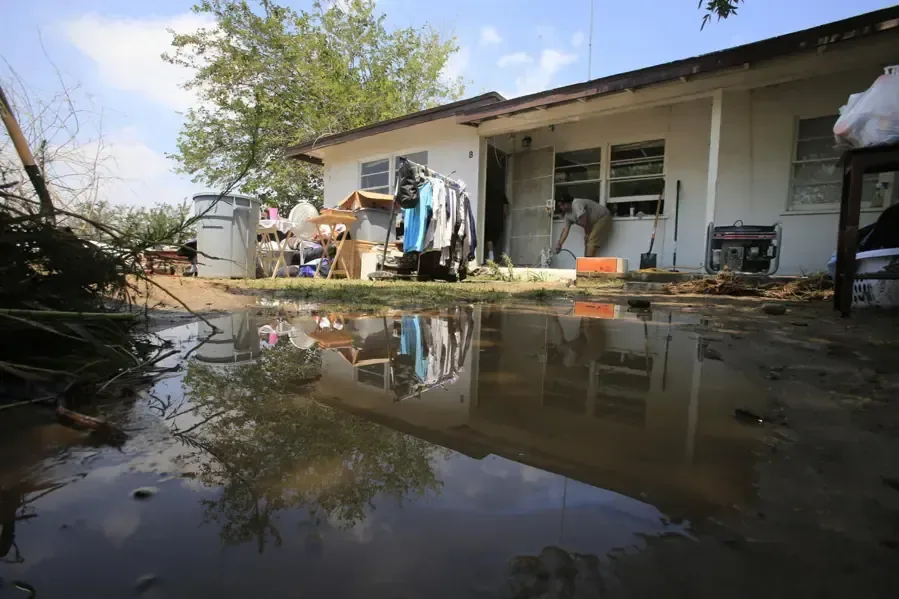
Storm Surge Flood Cleanup
Surge leaves silt and Category 3 water behind, so wet drywall and flooring come out and the structure is sanitized.
See the service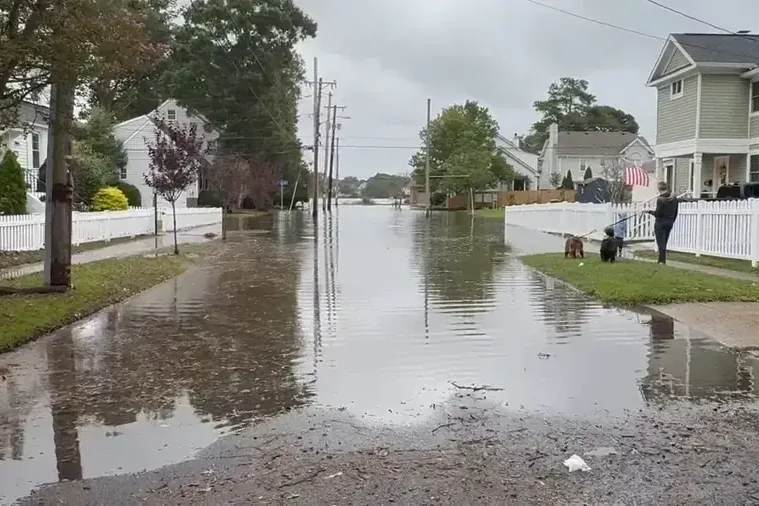
Hurricane and Wind-Driven Rain Damage
Wind-driven rain finds roof edges, windows and soffits, then soaks insulation and ceilings that need opening and drying.
See the service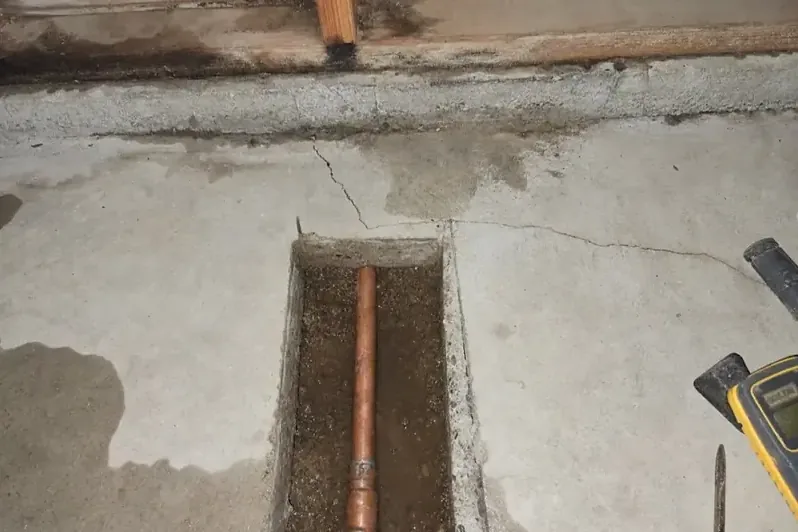
Slab Leak Water Damage
Warm floor spots, a spinning meter or damp flooring point to a slab leak, traced before drying begins.
See the service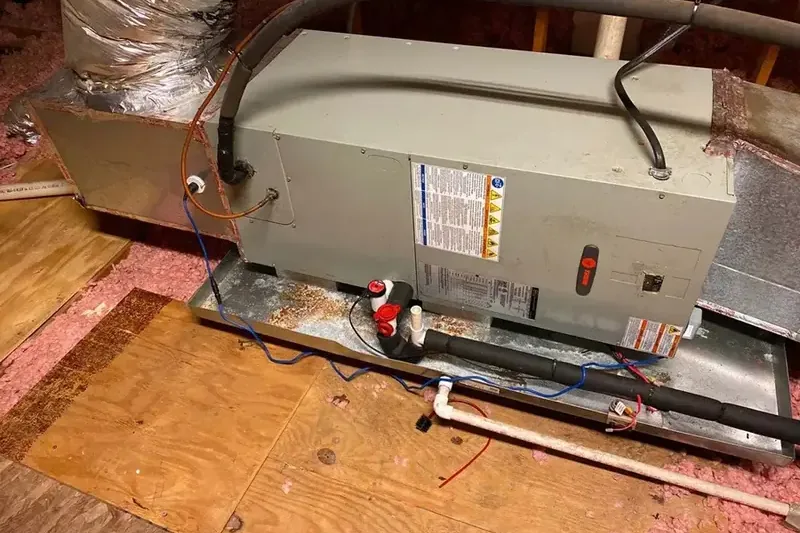
AC Leak Water Damage
Humid summers keep air handlers working nonstop, and one clogged condensate drain can soak a closet, hallway or ceiling.
See the service
Burst Pipe Water Damage
Freezes are uncommon, so a burst is usually a failed fitting or worn pipe that needs shutoff, repair and drying.
See the service
Ceiling Leak Water Damage
A brown ring overhead after a downpour means wet insulation and drywall, opened, dried and checked from the attic.
See the service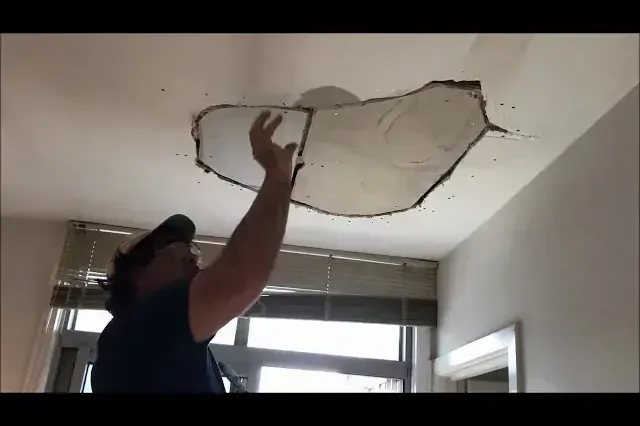
Roof Leak Water Damage
Thunderstorms test every roof seam, and a small breach can soak the attic floor, ceiling drywall and walls below.
See the service
Sewage Backup Cleanup
Backed-up drains carry a health hazard, so crews contain the area, remove porous materials and disinfect.
See the service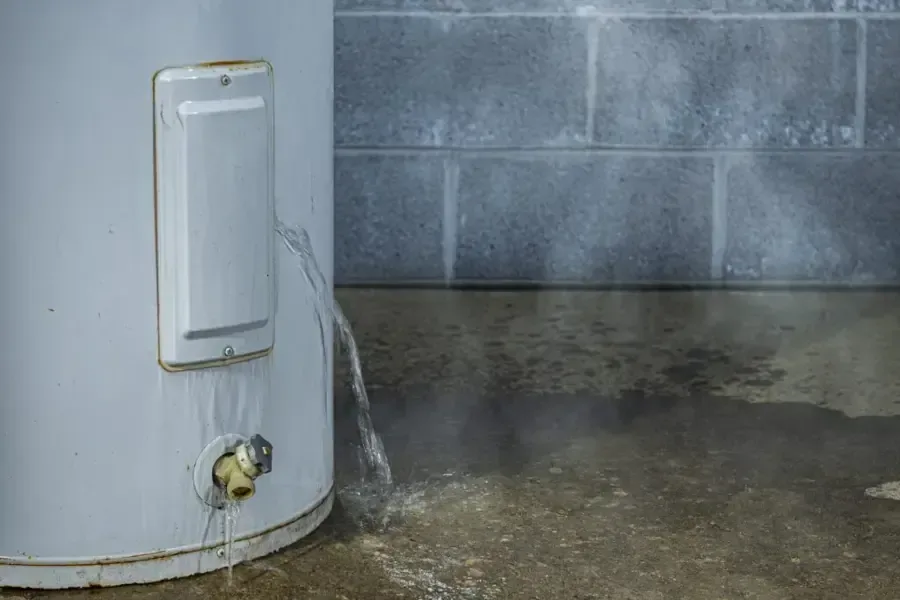
Water Heater Leak Cleanup
A failing tank can flood a garage or closet, and crews dry the floor and walls around the heater.
See the service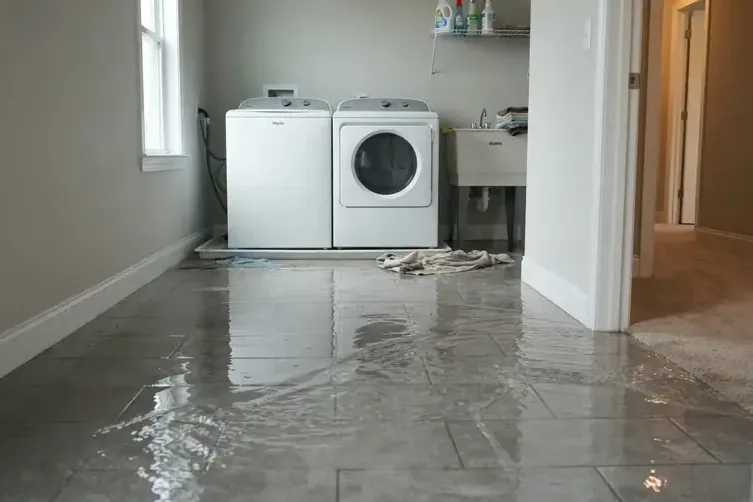
Appliance Leak Water Damage
Washer hoses, dishwasher seals and fridge tubes fail quietly, so crews dry cabinet bases, toe kicks and floors.
See the service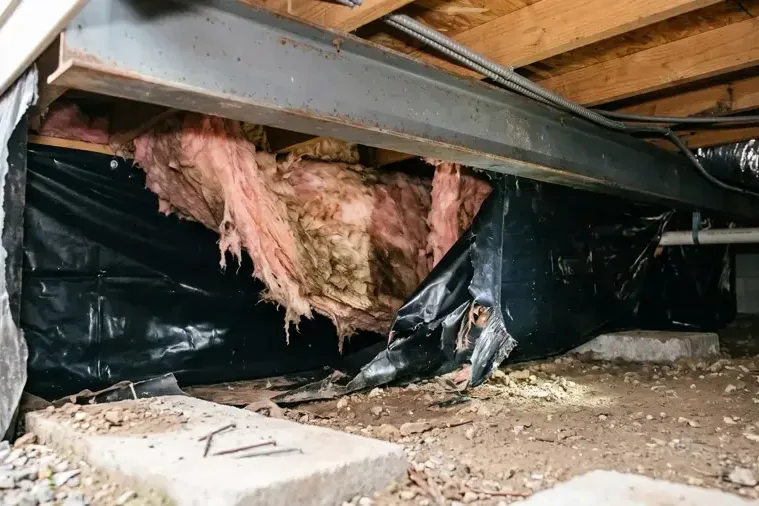
Manufactured Home Water Damage
Lightweight floors and belly wraps hold moisture, so a manufactured home is dried from the subfloor up.
See the service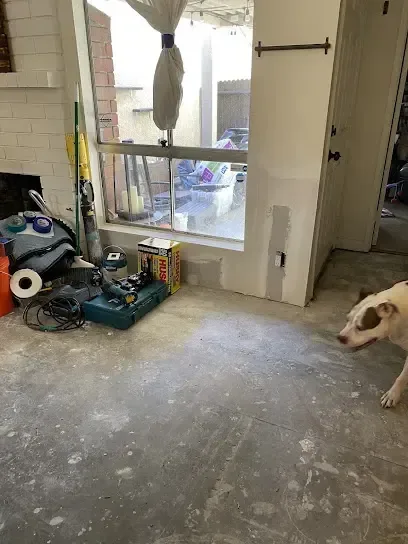
Structural Drying and Dehumidification
Humid air slows drying, so dehumidifiers, air movers and daily readings bring walls and framing to a dry goal.
See the service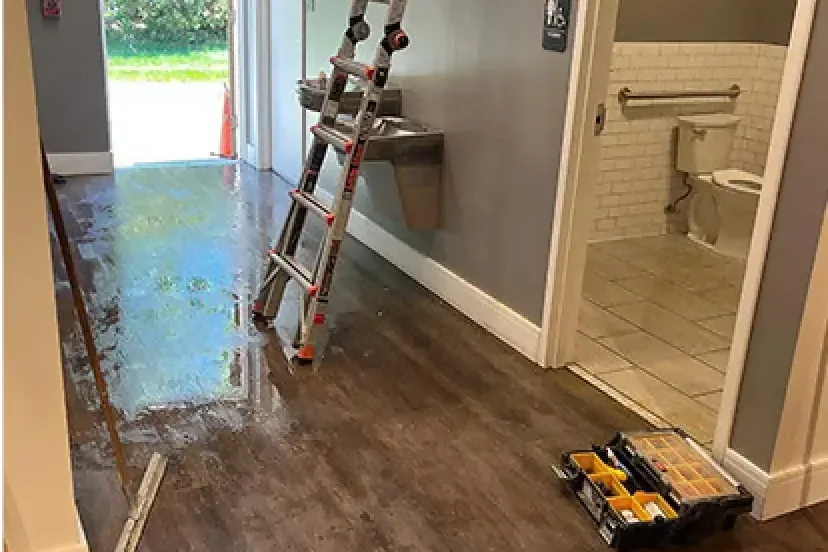
Commercial Water Damage
Downtown towers, Ybor City buildings and Westshore offices get phased drying that keeps tenants working and the loss documented.
See the serviceFive things to do right after water gets in
- 1
Stop the source
Close the main shutoff or the appliance valve, and flip off breakers for any room where water reaches outlets or cords.
- 2
Stay out of floodwater
Surge and street water can carry sewage, so keep family and pets away and skip wading through it barefoot.
- 3
Move what you can
Lift rugs, electronics, books and dry furniture onto blocks or to a dry room, but leave heavy wet carpet to the crew.
- 4
Open up airflow
Run fans only if the water is clean, and keep cabinets and closet doors open so damp air can move.
- 5
Photograph before cleanup
Shoot wide and close photos of the wet areas, damaged belongings and the source, with dates visible, before discarding anything.
A dry-out ends when the readings say so
In a humid climate, a room is not finished when it feels dry. Crews keep equipment running until walls, floors and framing match the dry reference readings taken in unaffected rooms of the same home, and the daily logs show it.
Readings before equipment
Meters and a thermal camera map where the water traveled, which in older bungalow walls is often farther than the stain suggests.
Extract the standing water
Pumps and wands remove what sits on floors first, since every gallon left behind has to be evaporated later by the equipment.
Size the equipment
Air movers and LGR dehumidifiers are matched to the wet square footage and the room volume, then placed so air crosses every damp surface.
Read daily to the goal
Technicians return to log temperature, humidity and moisture each day, and pull equipment only when the readings reach the dry target.
What does water damage restoration cost in Tampa, FL?
Most jobs here run between $1,200 and $12,000, though one small leak can cost less and surge or sewage losses can climb toward $30,000, depending on water category, area and drying time.
One small leak
- Water pulled out
- Dried in place
- Readings logged each day
Several wet rooms
- Wet carpet pad removed
- Wall cavities dried
- Claim file built
Storm surge or sewage loss
- Category 3 removal
- HEPA air scrubbing
- Longer drying time
These ranges are typical, never a quote. Use the water damage cost calculator for a rough starting figure, then let an on-site moisture map settle the real number for the rooms and materials involved in each loss.
Clean, gray and black water need different handling
Category 1: clean source
Supply pipes and roof leaks release clean water, but bacteria build fast if wet materials sit.
Burst pipe water damageCategory 2: used water
Washer and dishwasher overflows carry soap and soil, so porous materials usually come out.
Appliance leak water damageCategory 3: sewage or surge
Sewage and surge carry contamination, so crews wear protective gear, contain the area and remove porous materials.
Sewage backup cleanup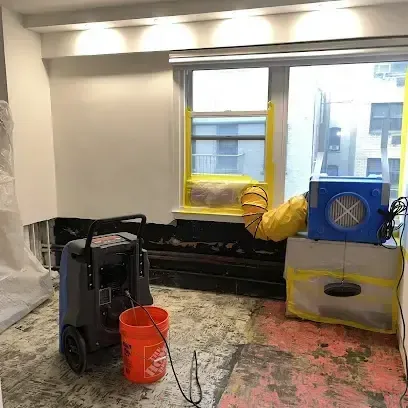
How water moves through homes in a bayside city
The land is flat and drains slowly, so rain and surge linger against house walls and seep inward, while older bungalows in Seminole Heights and Hyde Park let water travel inside walls, under trim and behind cabinets before a stain shows.
Rapid local response
Crews are dispatched at any hour with the water source and neighborhood in hand, so the right pumps and gear load first.
IICRC S500 drying standard
Drying follows the S500 standard, with set targets, psychrometric readings and documented equipment placement from first visit to final check.
Claim-ready documentation
Photos, moisture logs and equipment records are kept as the work goes, so an adjuster sees what was wet and removed.
Local water knowledge
Technicians know the city runs its own water and sewer departments, which helps when a backup starts outside the home.
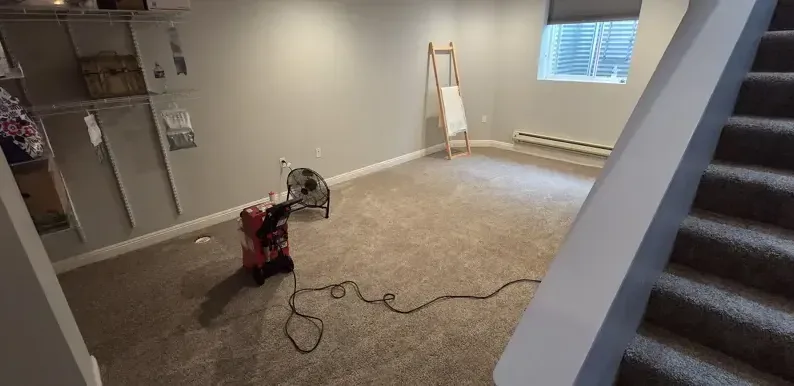
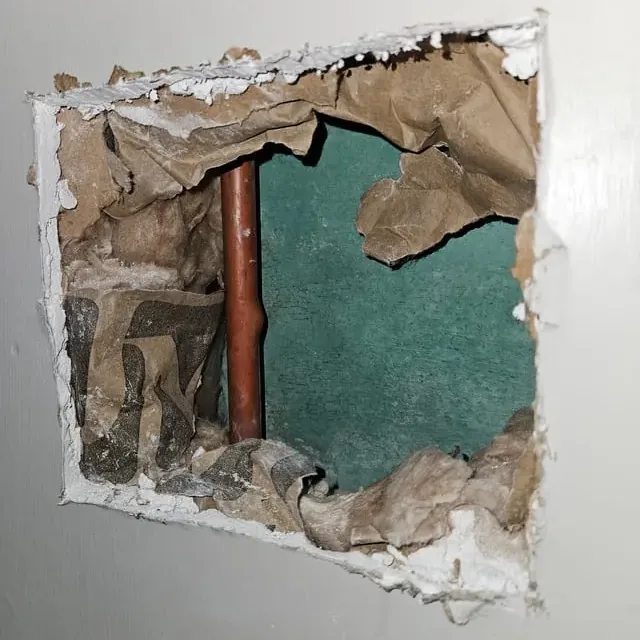
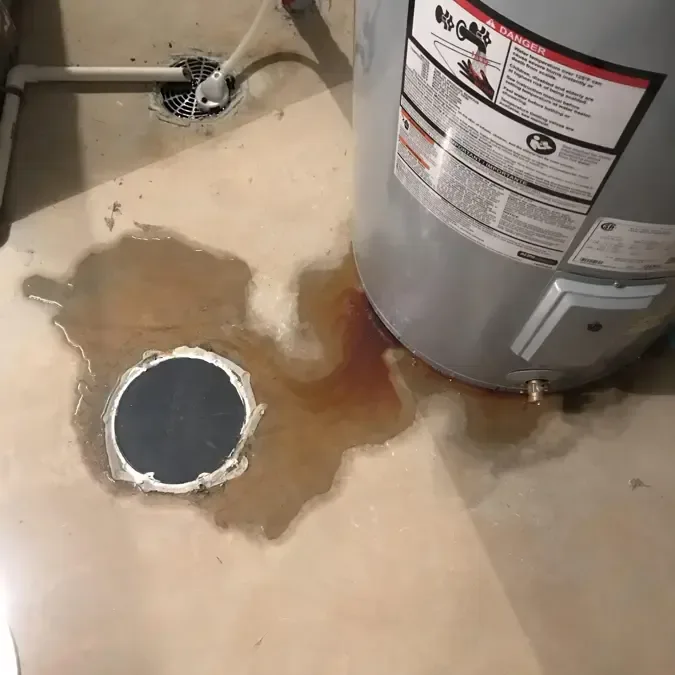
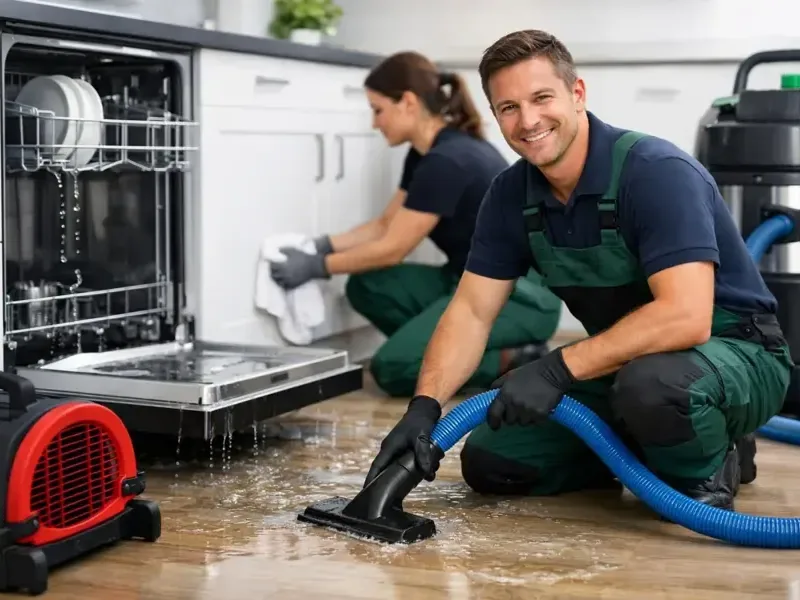
What the water damage work looks like on site

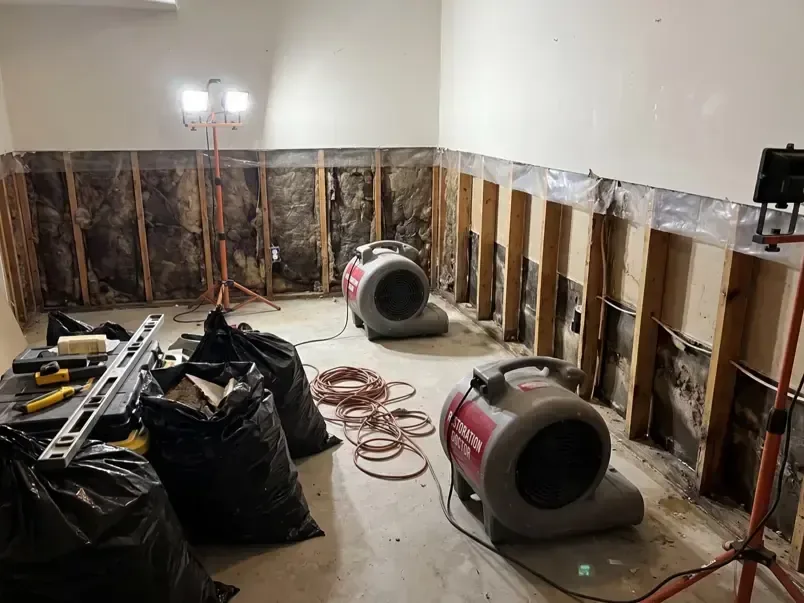
Documenting the loss for a claim
A tidy claim file starts the moment water is found, and the crew's notes, readings and photos give the adjuster a clear record.
- Date and time the water was found, plus who noticed it first
- Wide and close photos or video of every wet room and damaged item
- The source of the water and how and when it was stopped
- Moisture readings and equipment logs recorded by the crew each day
- Receipts for emergency repairs, temporary housing and replaced belongings
Check your own policy first
In December 2024 the city began mailing about 1,900 FEMA substantial damage letters to homeowners in flood hazard areas. A home is substantially damaged when repairs cost more than half its value, and repairs then must meet current floodplain and code rules.
Coverage for surge, sewer backup and wind-driven rain varies by policy, so confirm the details with your own insurer.
Where water damage crews work across the city
Streets and landmarks
ZIP codes
Nearby areas
What floods and soaks homes around the bay
The city sits on the north shore of the bay, with the Hillsborough River running past downtown into Hillsborough Bay, so surge, tides and heavy rain on flat ground all reach low streets and ground floors.

Hurricane Milton came ashore near Siesta Key and the city logged 11.43 inches of rain that day, a daily record and its second wettest since 1890.
- Storm surge: Hurricane Idalia flooded Bayshore Boulevard on August 30, 2023, with up to 4 feet of surge reported.
- Slow drainage: The city says its most frequent flooding is localized rainy season flooding, and flat land makes the water drain slowly after thunderstorms.
- Helene's surge: Hurricane Helene pushed several feet of surge into Davis Islands and parts of South Tampa on September 26, 2024.
- Sewage in floodwater: After Helene, two city wastewater pumping stations went down and overflowed, and residents were asked to cut water use; drinking water stayed safe.
- Hurricane season: It runs June 1 to November 30, and although no hurricane has made landfall in the immediate Tampa Bay area since the 1921 hurricane, surge and rain still flood homes.
Local water damage questions, answered
Which neighborhoods were hit hardest in 2024?
City officials named Palmetto Beach, Davis Islands and Culbreath in the Westshore area as the areas with the greatest hurricane damage. Wet buildings anywhere need the same fast extraction and drying.
How fast does wet carpet need to come up?
Quickly. Humid air slows drying and lets bacteria grow, so wet carpet and pad are best extracted as soon as the source is stopped. Pad that held gray or sewage water is usually discarded.
Is storm surge water treated as sewage?
Surge and street flooding can carry sewage and debris, so it is handled as Category 3, with protective gear, containment and removal of porous materials such as carpet, pad and lower drywall.
Does my mailing address decide who handles the repair?
The city notes that nearby areas such as Temple Terrace or unincorporated parts of Hillsborough County can share similar address labels, so utility and permit contacts may differ. The drying work itself is the same.
I rent, so who should I call first?
Tell the landlord or property manager right away and photograph the damage, since about half of occupied homes in the city are rentals and a quick notice protects everyone. The crew can document the loss for whoever carries the claim.
Should a ceiling stain after a downpour be checked right away?
Yes. Water often reaches attic insulation first and stays there after the rain stops, so a small stain can mean a much larger wet area above the drywall. A moisture reading shows how far it spread.
Do air conditioners cause much water damage here?
Hot, humid summers keep systems running hard, and a clogged condensate drain can back up into a closet, hallway or ceiling. Crews trace the water, dry what it touched and note the source for the claim.
Does a boil water notice mean my home is damaged?
No. The December 2020 notice followed a contractor hitting a 36-inch water main and was a precaution about drinking water for about 700,000 people. Damage only follows when water actually gets into a building.
Does the crew handle the insurance company?
The crew documents the loss with photos, readings and equipment logs, but the claim itself runs between the policyholder and the insurer. Adjusters can work directly from that file.
Can crews work in older and historic buildings?
Yes. Neighborhoods such as Seminole Heights, Hyde Park and Ybor City have older homes and buildings, where water can travel inside walls and under trim, so crews rely on meters and thermal imaging instead of guessing.
Water is spreading; start the dry-out now
Every hour of delay lets moisture travel deeper into walls and framing, so a call now lets the crew start extraction and set a drying plan for the property.
(888) 621-2041Get the wet rooms mapped and drying- Crews sent out day and night
- Dried to the IICRC S500 standard
- Daily readings for the adjuster
- Find us on Google