Water Damage Restoration Belleair, FL
24/7 water damage restoration for Belleair homes, from pipe breaks and ceiling leaks to storm flooding. Crews extract the water, dry the structure to the S500 goal and log every reading for the insurance claim.
(888) 621-2041Tell a crew what the water touchedZIP 33756, including Willadel, Belleview Estates and the Bayview Drive bluff area.
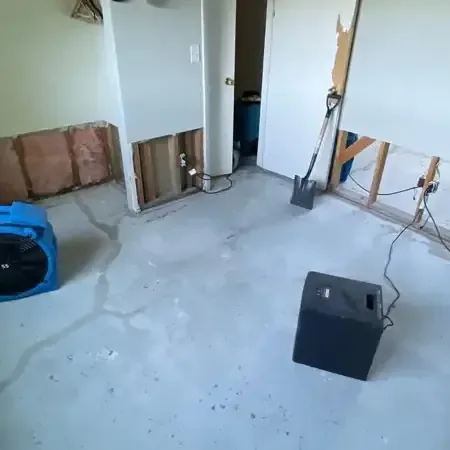
Water Damage Restoration Services in Belleair, FL
Hurricane water, roof leaks and plumbing failures inside the home lead the work in town, with sewage backups and storm flooding close behind. Crews handle all fourteen loss types below.

Water Extraction and Removal
Extractors and pumps pull standing water off floors first, so pad, baseboards and drywall stop wicking it upward.
See the service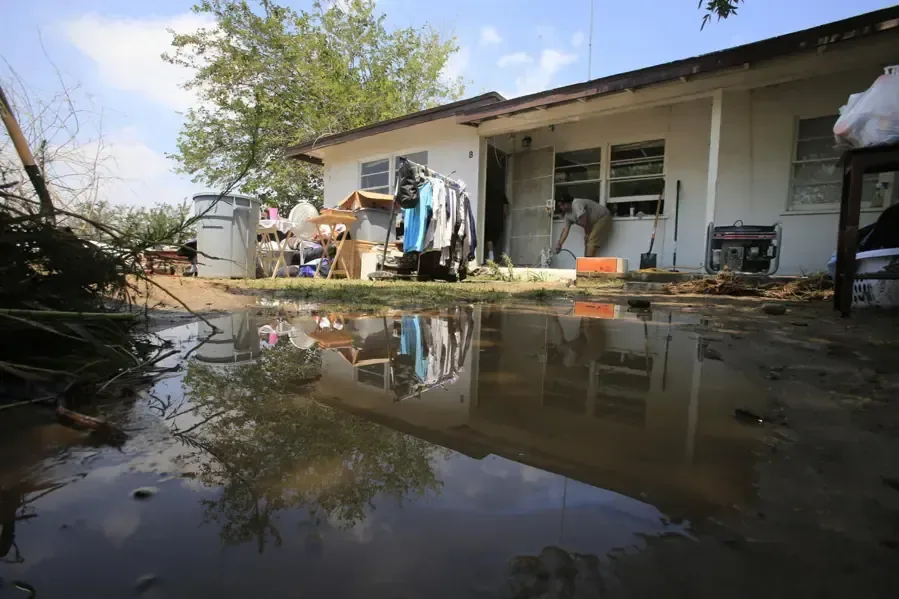
Storm Surge Flood Cleanup
Silt, flood cuts and antimicrobial treatment follow rising floodwater that enters a garage, ground floor or utility room.
See the service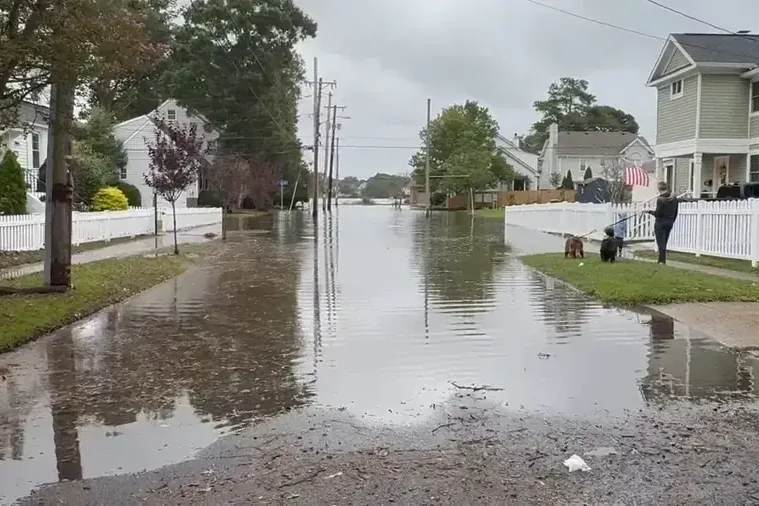
Hurricane and Wind-Driven Rain Damage
Wind-driven rain through damaged roofing, windows or soffits is dried from the ceiling down, with wet insulation removed.
See the service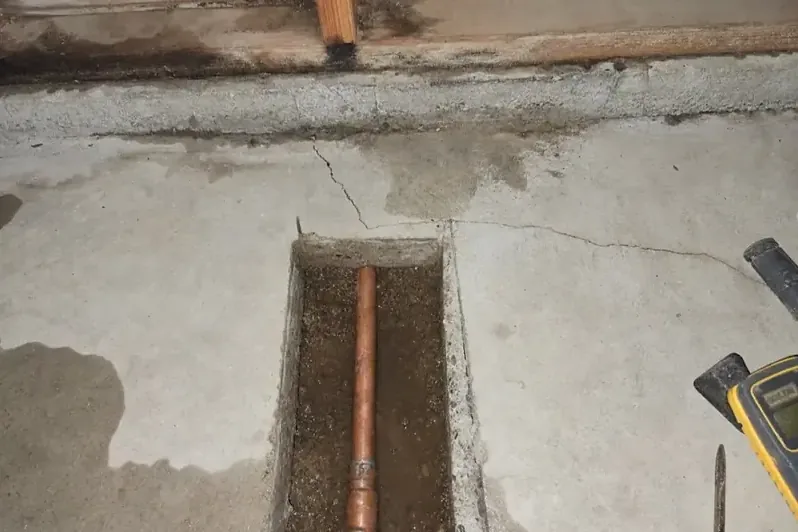
Slab Leak Water Damage
Thermal imaging and moisture mapping trace a leaking supply pipe under a concrete floor before flooring is lifted.
See the service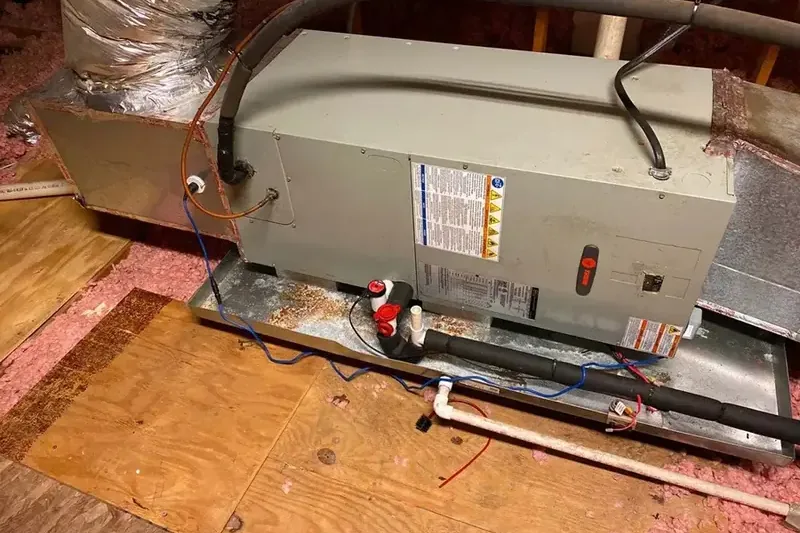
AC Leak Water Damage
A clogged condensate drain or overflowing pan can soak hallway floors and ceilings, so crews dry the wet drywall and insulation.
See the service
Burst Pipe Water Damage
A pipe that splits inside a wall or attic can flood several rooms, so crews extract, open the cavity and set drying equipment.
See the service
Ceiling Leak Water Damage
Stained or sagging ceiling drywall gets moisture readings first, then dries in place or comes down, depending on how wet it is.
See the service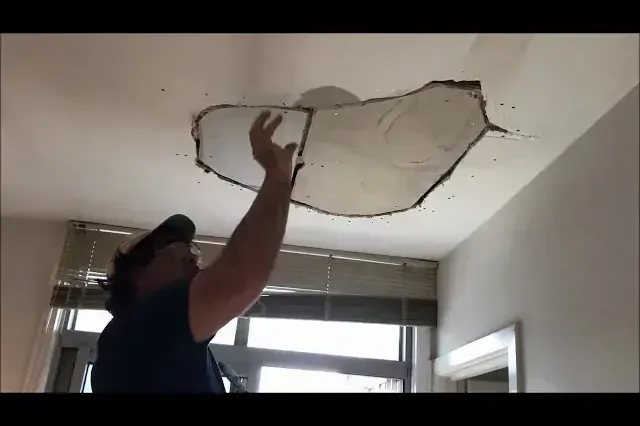
Roof Leak Water Damage
Water entering through shingles or flashing travels along rafters first, so crews check the attic and dry the ceiling below.
See the service
Sewage Backup Cleanup
Category 3 water from a backed up drain or lateral is contained, removed and disinfected, and porous materials go.
See the service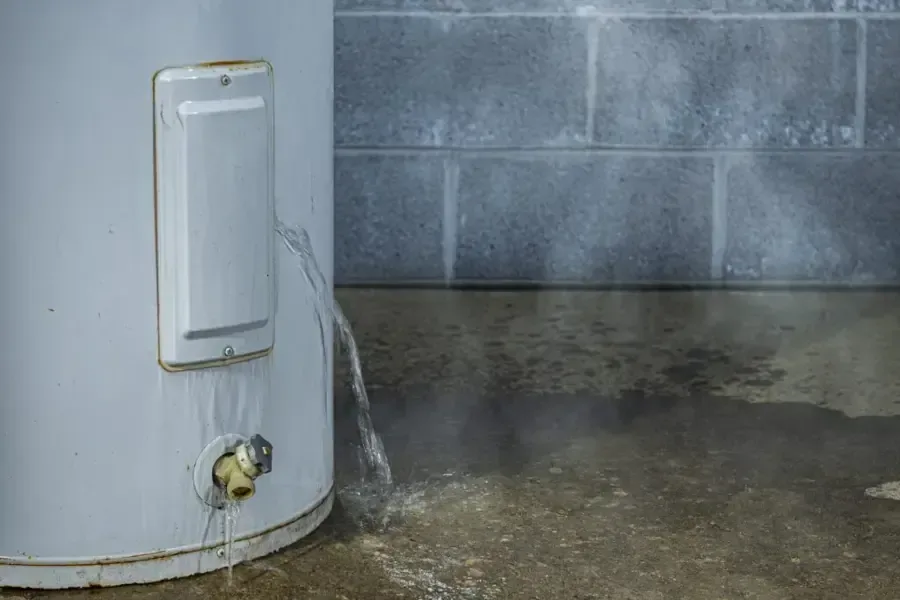
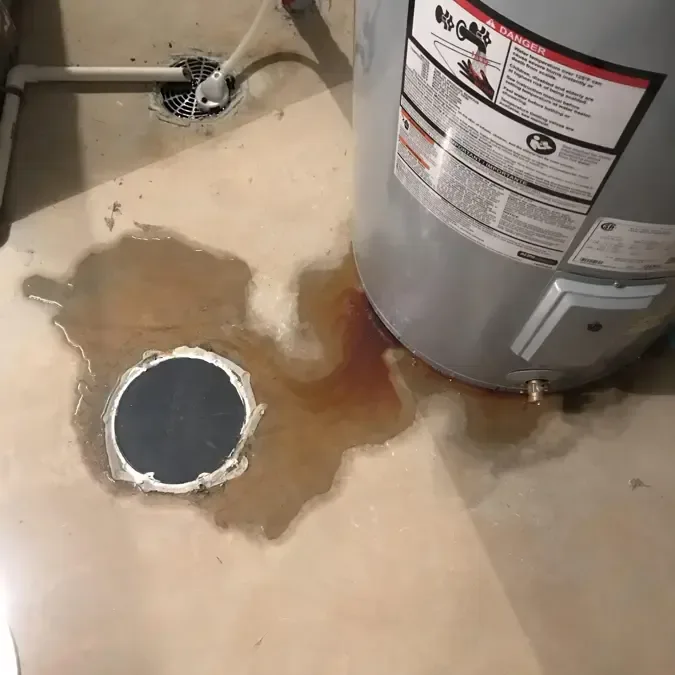
Water Heater Leak Cleanup
A leaking tank floods garages, closets and halls, so crews extract the water, pull wet baseboards and dry the walls beside it.
See the service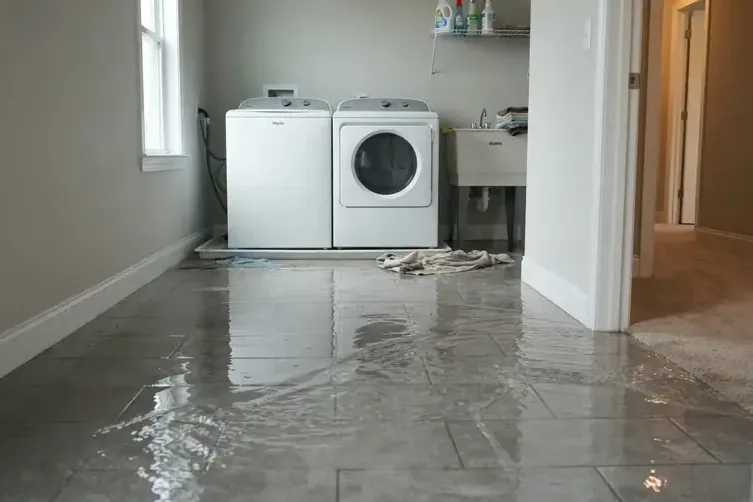
Appliance Leak Water Damage
Dishwasher, washer and refrigerator supply leaks soak cabinet bases and flooring, often unnoticed behind the appliance for days.
See the service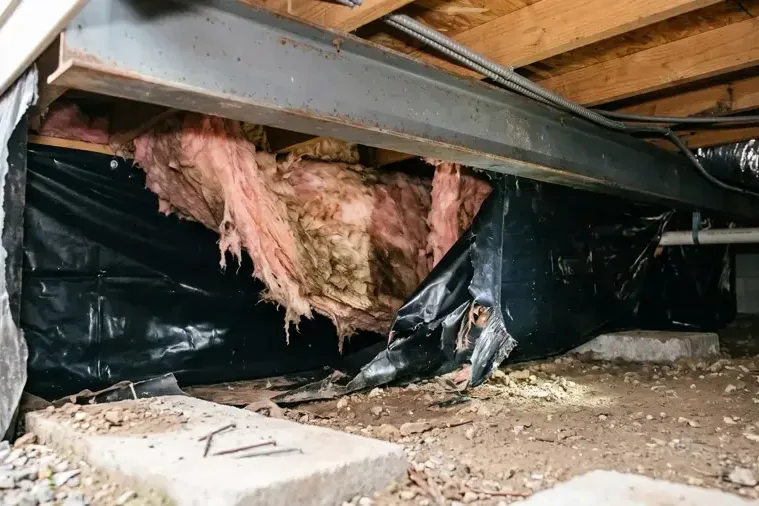
Manufactured Home Water Damage
Manufactured homes hold water in the floor system and belly wrap, so crews check subfloor decking and insulation underneath.
See the service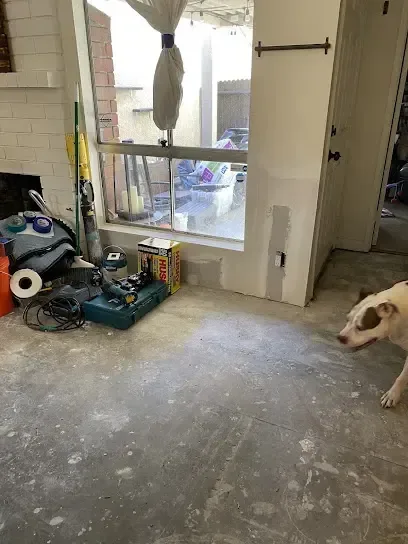
Structural Drying and Dehumidification
Air movers, LGR dehumidifiers and daily readings bring wet framing, subfloor and slabs back to the dry goal.
See the service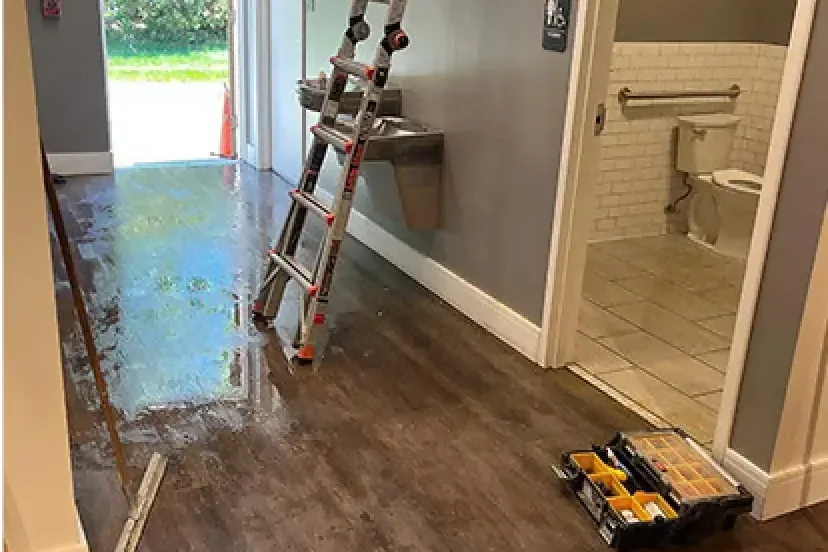
Commercial Water Damage
Suites, offices and shared spaces need phased drying, containment and records that keep the owner and the carrier informed.
See the serviceFirst steps while water is still moving
- 1
Stop the water
Close the fixture valve or the house main, and shut off power to any wet room if reaching the panel is safe.
- 2
Run the meter test
With every tap off, watch the meter dial. Movement after the house valve is closed points outside; a dial that stops points inside.
- 3
Know who fixes what
The town repairs main breaks and large leaks outside the property boundary. Leaks inside the home are the owner's job.
- 4
Clear the floor
Lift small furniture, rugs and electronics out of the wet area and leave heavy pieces for the crew.
- 5
Photograph the damage
Take wide and close photos of every wet wall, floor and ceiling before anything is moved or thrown out.
Dry means measured, not just dry to the touch
A finished dry-out means every wet material reads at its dry goal, set from unaffected material in the same home, and the daily moisture logs prove it. Equipment leaves only after those readings match.
Map the wet area
Thermal imaging and a pin meter show how far water traveled through drywall, subfloor and framing before equipment is placed.
Extract and open up
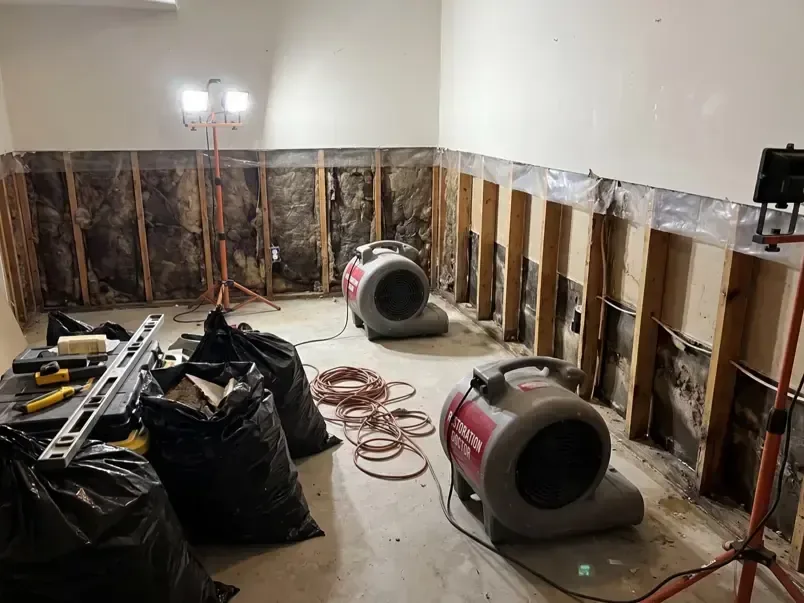
Standing water is pulled out, then wet pad, baseboards and low drywall come off where drying behind them would drag on.
Place the equipment
Air movers push dry air across surfaces while LGR dehumidifiers pull moisture from the room, sized to the wet volume.
Read until dry
Readings repeat each day, equipment is adjusted or removed as materials reach their goal, and each number goes in the file.
What does water damage restoration cost in Belleair, FL?
A small leak caught early often runs $1,200 to $4,000, several wet rooms reach $4,000 to $12,000, and storm or sewage losses climb higher. Readings, not guesses, set the final figure.
Small leak, caught early
- Standing water out
- Equipment set in place
- Readings at each visit
Several wet rooms
- Wet pad and baseboards out
- Cavities opened and dried
- Claim file started
Storm or sewage loss
- Category 3 removal
- HEPA air scrubbing
- Extended drying period
These ranges are typical, not a quote, because no two houses dry alike. A crew measures the wet materials before naming a firm number. The water damage cost calculator and the drying time estimator show where a particular loss may land.
Clean, gray and black water need different handling
Category 1: clean
Water from a supply pipe or tank starts clean, though time and soaked materials can downgrade it.
Burst pipe cleanupCategory 2: gray
Dishwasher, washer and AC overflow water carries contaminants, so wet porous items usually come out.
Appliance leak cleanupCategory 3: black
Sewage and floodwater carry bacteria, which calls for containment, removal of porous materials and disinfection.
Sewage backup cleanup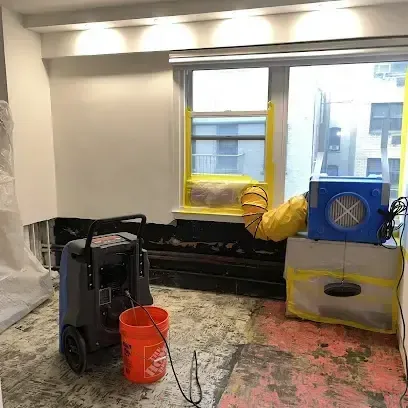
How water behaves in homes on the town's older streets
John Nolen's street plan after the 1925 incorporation, 1950s growth and a large condominium community added in the late 1960s and early 1970s give the town mixed housing. Water behaves the same in all of it: down, sideways, then into cavities.
Round the clock crews
Crews work nights, weekends and holidays, and the first move is extraction, because delay lets water climb walls and soak subfloor.
S500 drying standard
Procedures follow IICRC S500: mapped readings, planned equipment and a dry goal measured against unaffected material.
Records for the carrier
Photos, moisture logs and equipment notes are saved so an adjuster can follow what was wet and why.
Who fixes what in town
The town handles main breaks, county utilities own the sewer, and the owner handles pipes inside, which shapes who to call first.
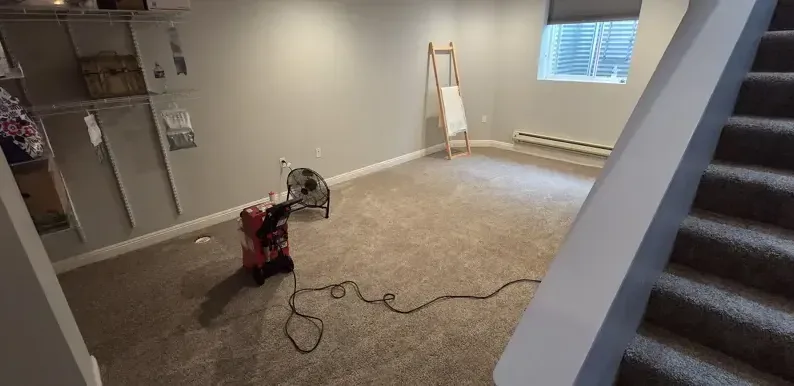
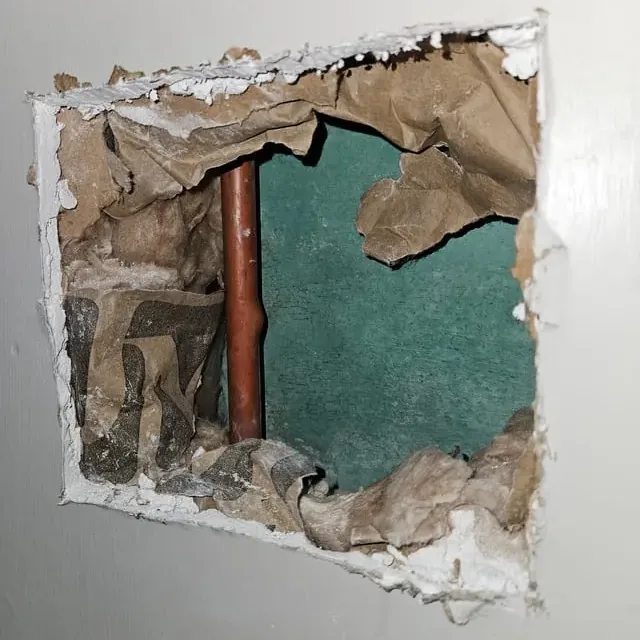
What a dry-out looks like on the job


Building a claim file that holds up
Insurers pay on what can be shown. Crews document the loss from the first photo so an adjuster can follow every step and figure.
- Dated wide and close photos of each wet room before cleanup begins
- Moisture readings and thermal images from the first visit and each day after
- A written list of materials removed, with photos of what came out
- Notes on the water source and when it was found
- Receipts for repairs that stopped the leak, such as a plumber's invoice
Check the actual policy first
Homeowner policies often respond to sudden pipe, tank and appliance failures, while rising floodwater usually needs separate flood coverage. The town takes part in FEMA's Community Rating System, which discounts flood insurance premiums.
Terms differ from one policy to the next, so check with your own insurer about what applies to the loss.
Water damage coverage across the town's streets
Main roads and landmarks
ZIP code
Nearby areas
What shapes water damage risk in the town
The town sits in the Tampa Bay area of Pinellas County, where coastal waterways, bluffs and Rattlesnake/Belleair Creek shape drainage. The county says every property there lies in a flood zone that is low, moderate or high.

Hurricane Helene reached Pinellas County on September 26, and the town's own anniversary post says it devastated the community, with Hurricane Milton arriving two weeks later.
- Storm flooding: Flooded garages, ground floors and utility rooms need extraction and flood cuts before drywall wicks the water higher.
- Back-to-back storms: When a second storm follows two weeks after the first, as Milton followed Helene, wet materials left in place barely dry.
- Bluff and creek runoff: A bluff erosion study and a shared creek report were discussed with the county and the City of Largo. Both are studies, not built protection.
- Sewage in floodwater: Pinellas County Utilities owns the sewer system, and owners maintain the lateral, so a cracked or root-choked one can back sewage into a home.
- Hurricane season: It runs from June 1 through November 30, and a declared emergency opens the Disaster Repair Permit for restoring a home to its pre-damage condition.
Belleair water damage questions, answered
Who fixes a leak, the town or the homeowner?
The town repairs water main breaks, hydrant leaks and large leaks outside the property boundary. A leak inside the home belongs to the owner, and a meter dial test shows which side the water is on.
How is a water main break reported?
The town asks residents to call the Belleair Police Department's non-emergency dispatch so the Water Department is alerted. A main break outside the home needs the town, while water already inside a house needs a drying crew.
Did the new water source change how leaks are handled?
In December 2023 the town began buying drinking water from Pinellas County Utilities. Its Water Department still maintains the pipes that reach homes, and a leak inside a house is dried the same way as before.
Who is responsible for a sewage backup?
Pinellas County Utilities owns the sewer system, while owners maintain the lateral from the house to the property boundary and must fix a defective one. Crews handle the Category 3 cleanup inside either way.
Does a Disaster Repair Permit cover water damage repairs?
Only during a declared emergency. It covers work restoring a structure to its pre-damage condition for 180 days unless extended, and additions, remodels and new construction do not qualify. Over the counter permits can cover drywall, cabinets and flooring.
Do flood zone properties face extra permit steps?
In a special flood hazard area the Building Department requires a Substantial Damage determination before issuing a repair permit, and heavily damaged structures must meet current floodplain and building code rules. The department also provides elevation certificates.
Is hurricane season the only time homes flood?
No. The season runs June 1 through November 30, but pipe breaks, AC overflows and appliance leaks happen all year, and the same drying standard applies to each of them.
How is a wet ceiling handled after a storm?
The crew checks the attic, removes wet insulation and opens saturated drywall. Replacing drywall is one of the repairs the town's post-disaster plan allows over the counter, so photos and readings go in the claim file first.
Do Historic Registry properties need special care?
The town keeps a Historic Registry of more than 30 protected properties and structures, including the Belleair Estates Town Plan, Willadel subdivision gates and Belleview Estates streets. Owners on the registry should confirm with the Building Department how repairs affect them.
Why does standing water come out first?
Pad, baseboards and drywall wick water upward and sideways, so extraction stops the spread before drying equipment goes in. Equipment alone cannot dry a soaked room efficiently.
Dry the house before the damage spreads
Whether a pipe split in a wall or a storm pushed water through the roof, crews map the wet area, remove what cannot dry and document every step for the carrier.
(888) 621-2041Get a dry-out crew moving- Crews sent out day and night
- Dried to the IICRC S500 standard
- Daily readings for the adjuster
- Find us on Google