Storm Surge Flood Cleanup in Hudson, FL
Surge water carries salt, silt, fuel and sewage into the house. The restoration team removes what it touched, cleans and dries the slab and framing and builds the file a flood adjuster needs.
(888) 621-2041Get surge water cleanup started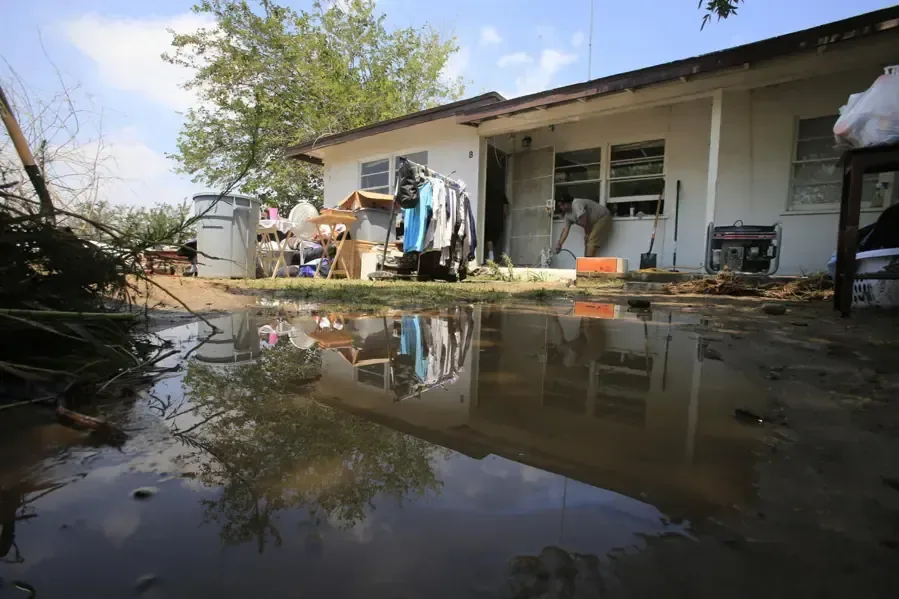
Storm surge is Gulf water pushed ashore by a hurricane. On the shallow Pasco coast it can rise well above normal tide, and canal-front and low slab homes take it first. Surge water counts as Category 3, contaminated from the moment it crosses the threshold, so the work looks different from a pipe leak.
First steps for storm surge flood cleanup
- 1
Wait for safe entry
Go in only after officials allow it and the water has dropped.
- 2
Keep the power off
Leave breakers off until an electrician checks wet circuits.
- 3
Wear protection
Use boots and gloves, because surge water is contaminated.
- 4
Photograph the high-water mark
Document the water level on walls before anything is removed.
What does storm surge flood cleanup cost in Hudson, FL?
Storm surge flood cleanup here typically runs $4,000 to $40,000, depending on the depth of the water, how many rooms it reached, the tear-out needed and how long the house sat wet.
Garage or one room
- Silt and water removal
- Flood cuts
- Antimicrobial
Several rooms
- Drywall and flooring out
- HEPA air scrubbers
- Structural drying
Whole house
- Full Category 3 tear-out
- Cabinet removal
- Extended drying
These are typical ranges, not a quote. The water category, the square footage, the material class and how soon drying began change the total most, and the water damage cost calculator narrows the range.
How storm surge flood cleanup is handled, step by step
The walkthrough starts with a moisture map, so the drying plan matches what is truly wet. Air movers and dehumidifiers stay until the meters read dry, not until the surface looks dry.
Contain
Containment and HEPA air scrubbers set up before tear-out.
Remove
Porous materials the surge touched come out to the flood cut.
Clean and treat
Silt washed off, surfaces treated with antimicrobial.
Dry and document
Structural drying with daily readings for the flood claim.
What surge water does to a slab home
Surge water sits against walls for hours and leaves salt and silt behind when it drops. Drywall, insulation, baseboards and carpet wick it upward, and cabinets swell from the bottom. Salt keeps drawing moisture out of the air, so materials that look dry can stay damp.
- Drywall and insulation cut out above the high-water mark.
- Carpet, pad and swollen lower cabinets removed.
- Silt and salt washed off the slab and the wall framing.
How the restoration team handles Category 3 water
The crew sets up containment, wears protective gear and works with HEPA air scrubbers running. Porous materials the surge touched come out, and nonporous surfaces get cleaned and treated with an EPA-registered antimicrobial. Drying starts only after the contaminated material is gone.
- Extraction of remaining water and silt.
- Flood cuts and removal by Category 3 rules.
- Cleaning, antimicrobial and structural drying.
- Photos, readings and a line-item scope for the flood claim.
Flood insurance and the claim file
Rising surge water is usually a flood insurance matter, not a homeowners claim. FloodSmart.gov explains how National Flood Insurance Program claims work, and FEMA publishes the flood maps that show the flood zone for any address. Wind-driven rain is a different loss, covered on the hurricane and wind-driven rain damage page.
Storm surge flood cleanup across west Pasco County
The restoration crew covers ZIP 34667, 34669 and 34674, from the Gulf-front canal streets west of US 19 to Beacon Woods, Heritage Pines and the SR 52 corridor.
Nearby coverage reaches Bayonet Point, Aripeka, Shady Hills, Port Richey, New Port Richey, Jasmine Estates, Spring Hill, Hernando Beach.
Related water damage services
Storm Surge Flood Cleanup questions, answered
Is storm surge water really Category 3?
Yes. Surge water mixes seawater with silt, fuel, chemicals and sewage from flooded systems, so it counts as Category 3 from the start.
Can drywall touched by surge water be dried?
No. Drywall and insulation that surge water touched are removed, usually to a flood cut above the high-water mark, then the framing is cleaned and dried.
Does homeowners insurance cover storm surge?
Usually not. Surge is rising water, which falls under flood insurance. Wind and rain damage may fall under homeowners coverage. Check your own policies with your insurer.
How long until the house is dry after surge flooding?
After tear-out, drying the slab and framing usually takes five to ten days. A power outage or a soaked slab under tile can stretch that.
Why does salt matter in a dry-out?
Salt left on framing and the slab draws moisture back from humid air. Washing it off is part of the cleaning step before drying.
What should be photographed for a flood claim?
The high-water mark on walls, every room, damaged contents and appliances, all before anything is removed. The restoration crew adds its own photos and readings to the file.
Can I start tearing out drywall myself?
Wait for photos and a moisture map first. Contaminated debris needs protective gear and proper bagging, and the adjuster needs to see the damage.
Gulf water came inside? Get the tear-out started.
Salt and silt keep soaking into drywall and cabinets after the water drops. The mitigation team removes what cannot be saved and dries the rest.
(888) 621-2041Surge cleanup, any hour- Crews sent out day and night
- Dried to the IICRC S500 standard
- Daily readings for the adjuster
- Find us on Google