Water Damage Restoration Port Richey, FL
24/7 water damage restoration in Port Richey, FL, where most of the city sits in a flood zone. The extraction crew removes standing water, then the drying team works to the IICRC S500 standard.
(888) 621-2041Floodwater inside the house? Call now.ZIP 34668, including Bay Boulevard, Ironbark Drive and the Westport area.
Water Damage Restoration Services in Port Richey, FL
Fourteen water and sewage services for a low-lying river and Gulf city. Hurricane surge, heavy summer rain and floodwater mixed with sewage drive most of the losses inside the city limits.

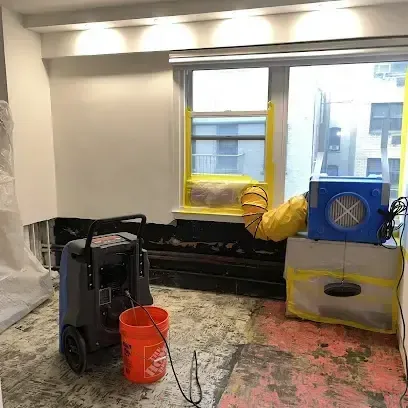
Water Extraction and Removal
Standing floodwater and leak water pulled off every floor with truck-mounted units before it climbs into drywall and cabinets.
See the service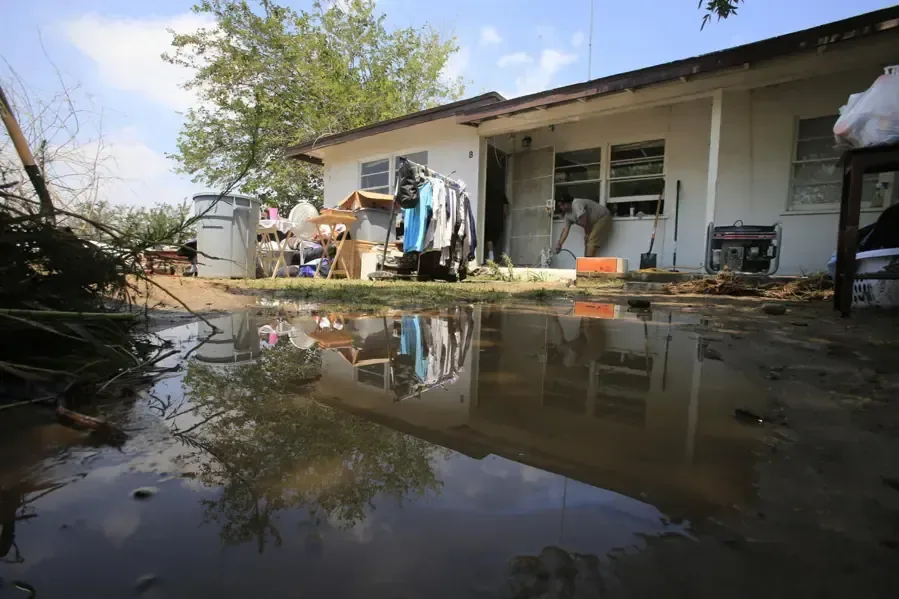
Storm Surge Flood Cleanup
Gulf surge water handled as Category 3 in a city that sits only a few feet above high tide.
See the service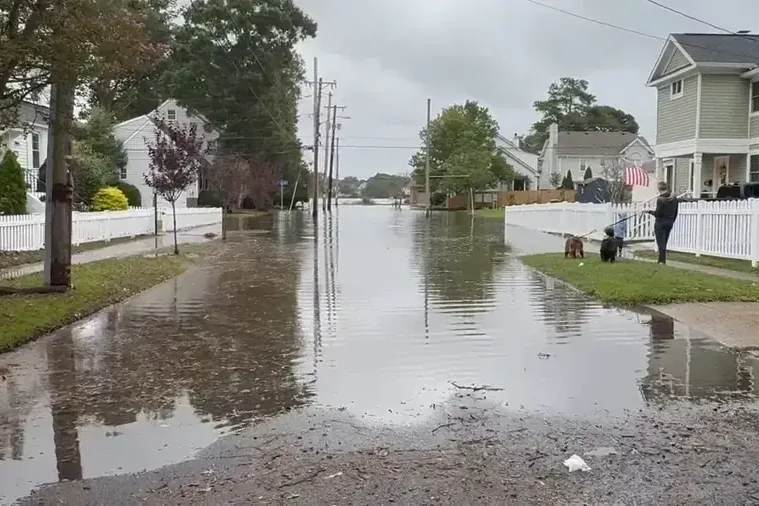
Hurricane and Wind-Driven Rain Damage
Rain forced past sliders, windows and storm-damaged roofing during hurricane season, followed through walls and ceilings and dried.
See the service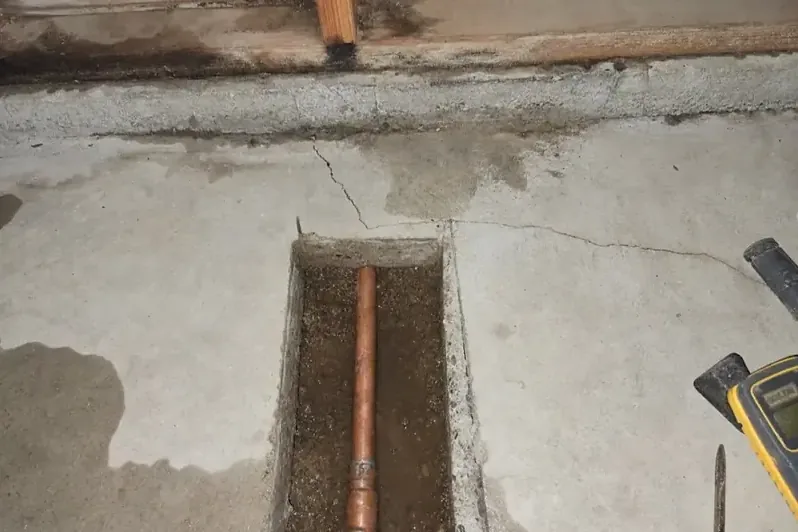
Slab Leak Water Damage
Hidden leaks beneath the floor found with meters and thermal imaging, then the flooring and walls they wet dried out.
See the service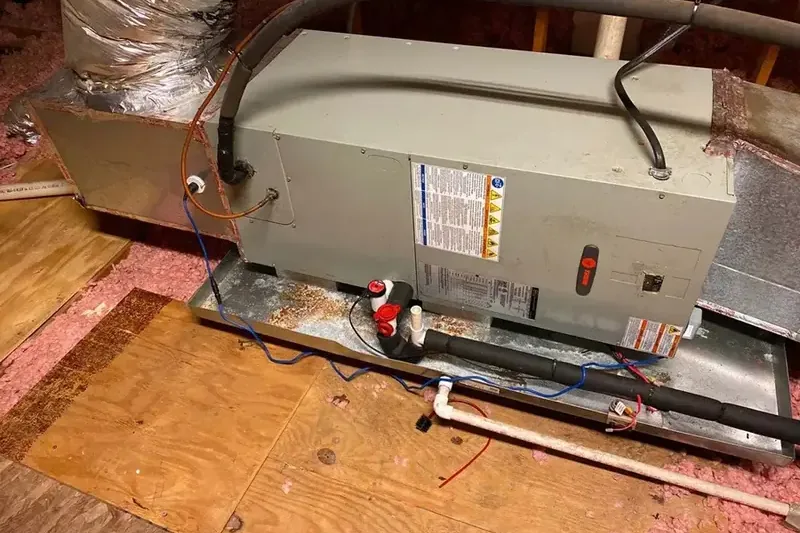
AC Leak Water Damage
Air handler overflows and clogged condensate drains that soak ceilings, closets and hallway floors in hot, humid summers.
See the service
Burst Pipe Water Damage
Supply pipe failures inside the house extracted fast, with walls opened only where moisture readings call for it.
See the service
Ceiling Leak Water Damage
Leaks from fixtures, pipes or equipment above a ceiling traced to the source, made safe and dried in the cavity.
See the service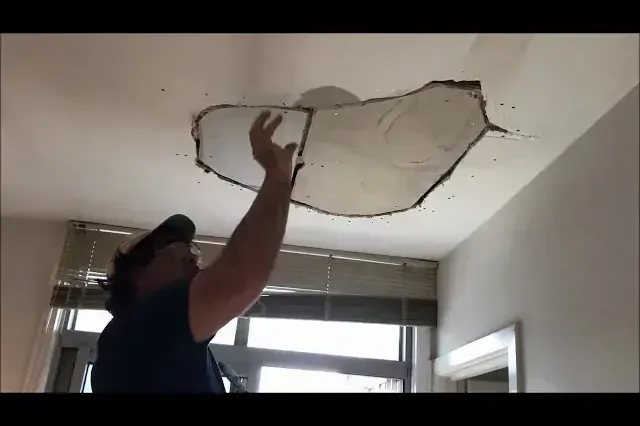
Roof Leak Water Damage
Storm-season roof leaks dried from the attic down, with soaked insulation removed and ceilings checked room by room.
See the service
Sewage Backup Cleanup
Sewage backups and sewage-tainted floodwater contained, removed and treated with an EPA-registered antimicrobial before drying.
See the service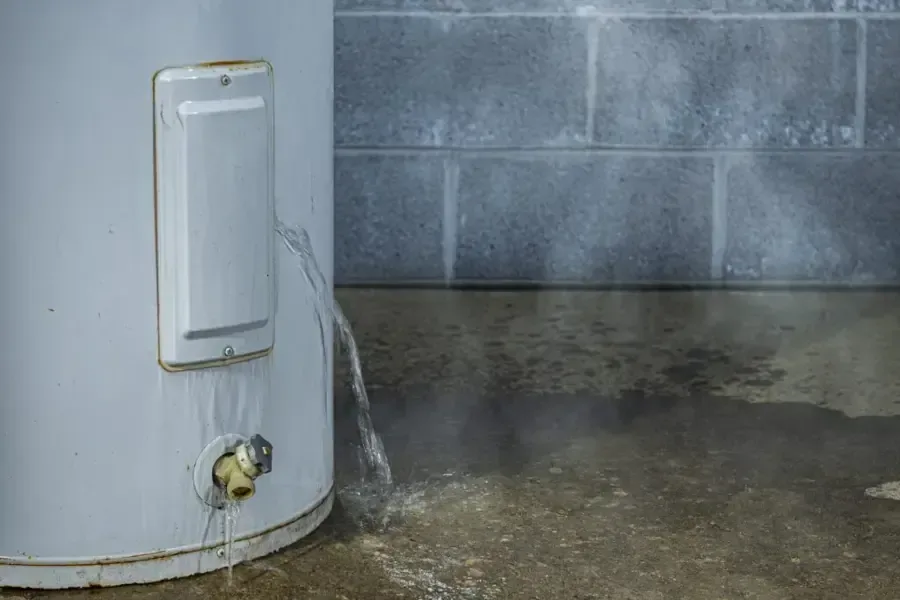
Water Heater Leak Cleanup
Tank and valve failures cleaned up, with the surrounding walls, baseboards and floors dried to verified readings.
See the service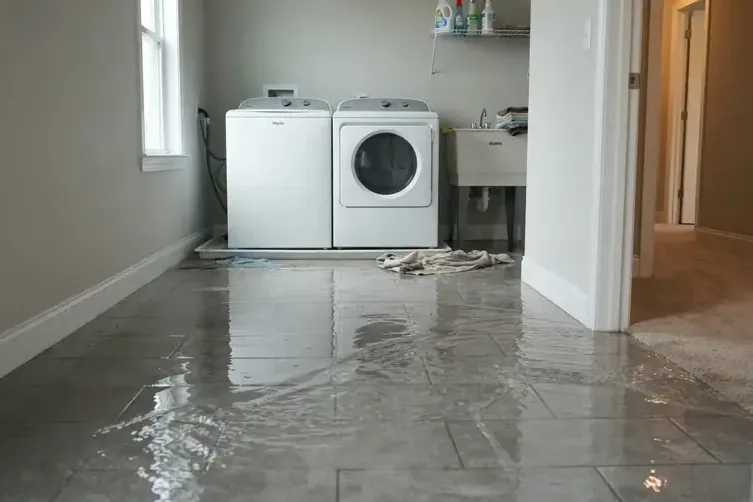
Appliance Leak Water Damage
Washer, dishwasher and ice maker leaks dried under cabinets and flooring in owner and rental homes alike.
See the service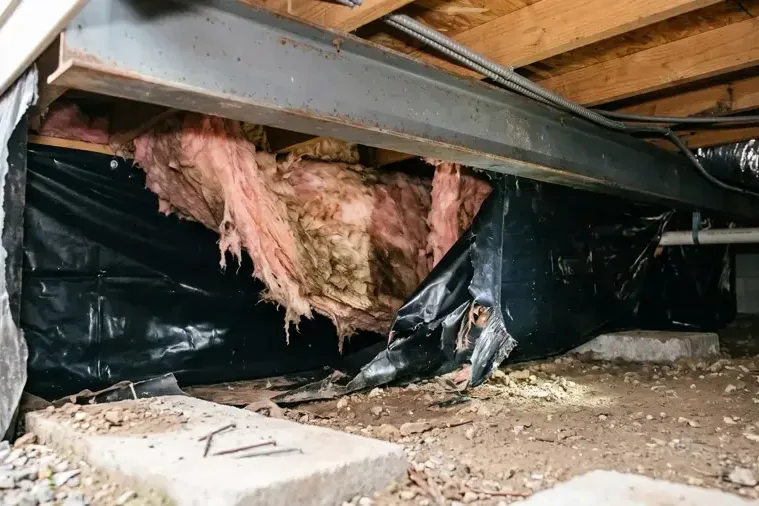
Manufactured Home Water Damage
Manufactured homes dried inside and underneath, including wet underfloor insulation, decking and the belly wrap.
See the service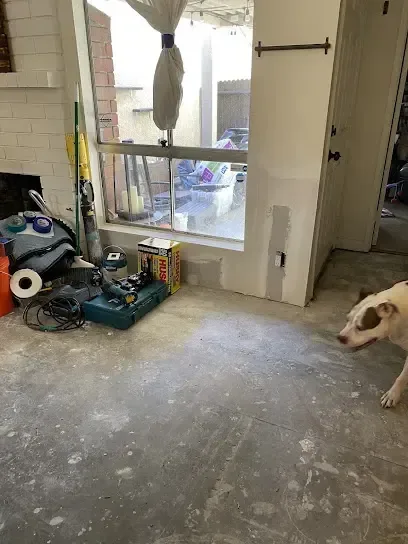
Structural Drying and Dehumidification
Framing, drywall and floors dried with dehumidifiers and air movers until readings reach the dry goal.
See the service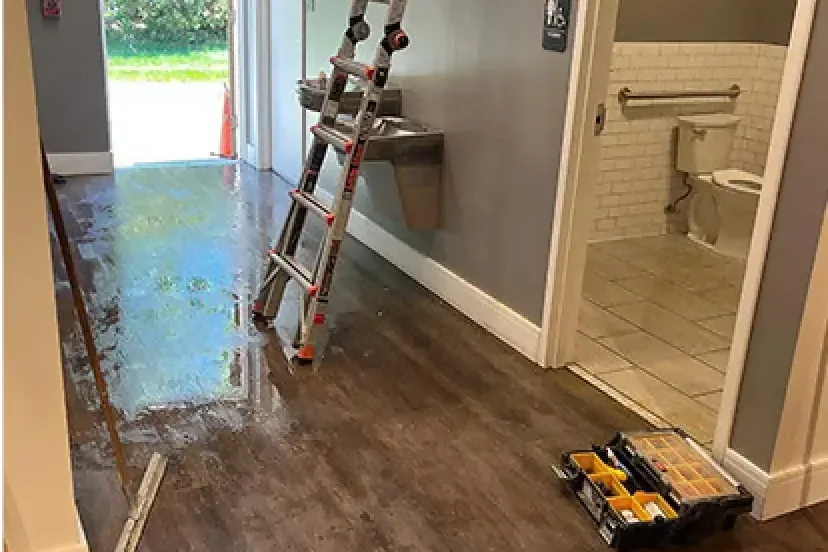
Commercial Water Damage
Small businesses and shops dried in stages so a flood or leak keeps the doors closed as briefly as possible.
See the serviceFirst moves while water is still coming in
- 1
Get out if water is rising
When surge or river water is climbing, follow evacuation orders, since most of the city sits in Evacuation level A.
- 2
Shut off the water
For a leak inside, close the main valve or the valve feeding the fixture so the spread stops.
- 3
Leave the power off
Keep breakers off in wet rooms and never step into standing water near outlets or cords.
- 4
Treat floodwater as dirty
The city warns that floodwater may carry sewage and debris, so wear boots and gloves and keep children away.
- 5
Photograph before cleanup
Capture flood marks on walls, wet floors and damaged belongings before anything is moved or thrown out.
Dried to the IICRC S500 standard, room by room
Floodwater leaves more behind than water. A finished job here means contaminated material is gone, the structure reads dry against a dry reference and the drying log proves it. A surface that feels dry is only the start.
Readings before equipment
The walkthrough starts with pinless meters and a thermal camera, marking every wet wall, floor and cabinet base on a moisture map before anything is set up.
Water out, ruined material out
The extraction crew clears standing water and silt. Anything Category 3 water soaked, such as pad, insulation and drywall, comes out instead of being dried.
Equipment matched to the room
The drying team sizes air movers to each room's evaporation load and runs LGR dehumidifiers with doors and windows shut against the humid air outside.
Finished on the numbers
Psychrometric readings are logged every day, and the equipment leaves only when materials read within 2 to 4 points of a dry reference.
What does water damage restoration cost in Port Richey, FL?
Most jobs in the city land between $1,200 and $30,000. A contained clean-water leak sits near the bottom, while surge or sewage that forces drywall and flooring out sits near the top.
One small leak
- A room or two
- Dried in place
- Moisture readings every day
Several wet rooms
- Baseboards and flood cuts
- Wall cavities dried
- Claim file built
Surge or sewage throughout
- Category 3 removal
- HEPA air scrubbing
- Longer drying time
Treat these figures as typical ranges, not a quote. Water category, wet square footage, material class and how quickly drying began set the total. The cost calculator and the drying time estimator give a closer read.
All water damage categories covered in Port Richey, FL
Category 1: clean water
Supply pipes, water heaters and hidden leaks under the floor. Caught early, most of it dries where it sits.
Slab leak water damageCategory 2: gray water
Washer and dishwasher discharge and AC condensate. Soaked pad comes out and surfaces are treated.
Appliance leak water damageCategory 3: black water
Sewage and Gulf or river floodwater. Anything porous it soaked is removed under containment.
Sewage backup cleanup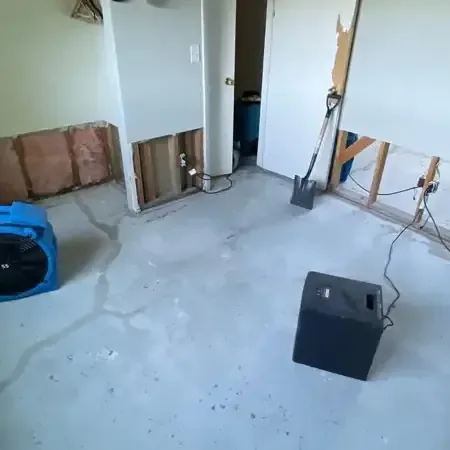
How the restoration crew works a flood in this city
Floodwater here usually arrives from outside, through doors and garages, and settles against every wall at once. It leaves a mark, silt and contamination behind. The crew records the flood mark first, then works from the lowest material up, checking each room with meters before deciding what stays.
Rapid local response
The response team sends crews out day and night, and water rising into living space is handled as urgent whatever the hour.
IICRC S500 drying standard
Drying follows the industry standard: equipment is sized to the class of loss and stays until the structure tests dry.
Claim-ready documentation
Flood marks, moisture maps, daily logs and photos taken before tear-out go into a file built for flood adjusters.
Local water knowledge
Surge, river flooding and floodwater carrying sewage are the losses this low-lying Gulf city sees most often.
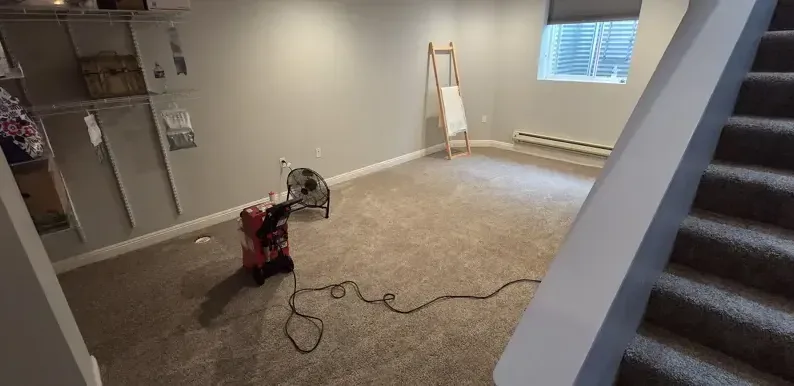
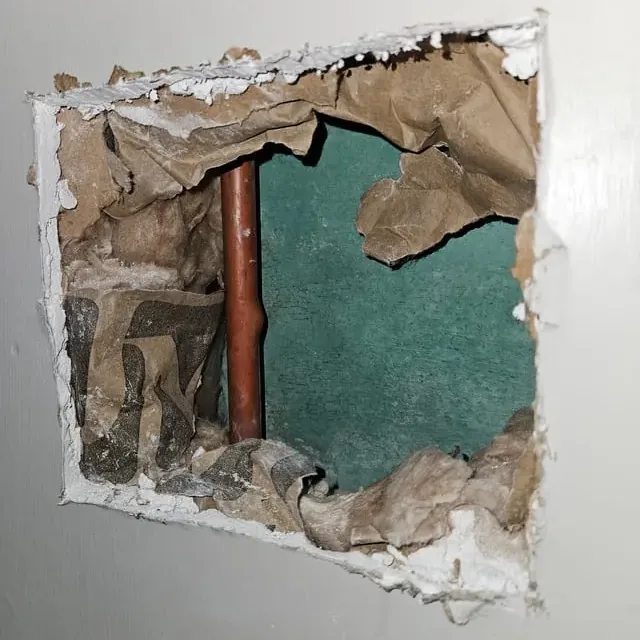
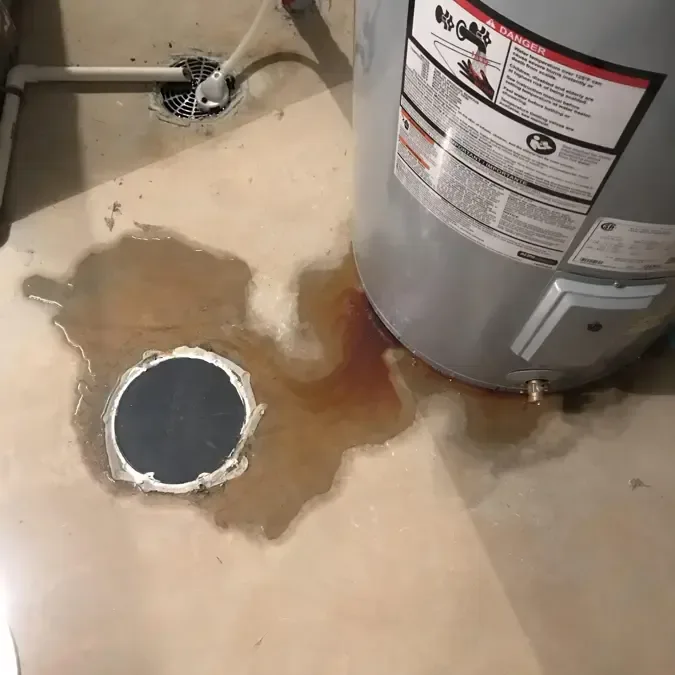
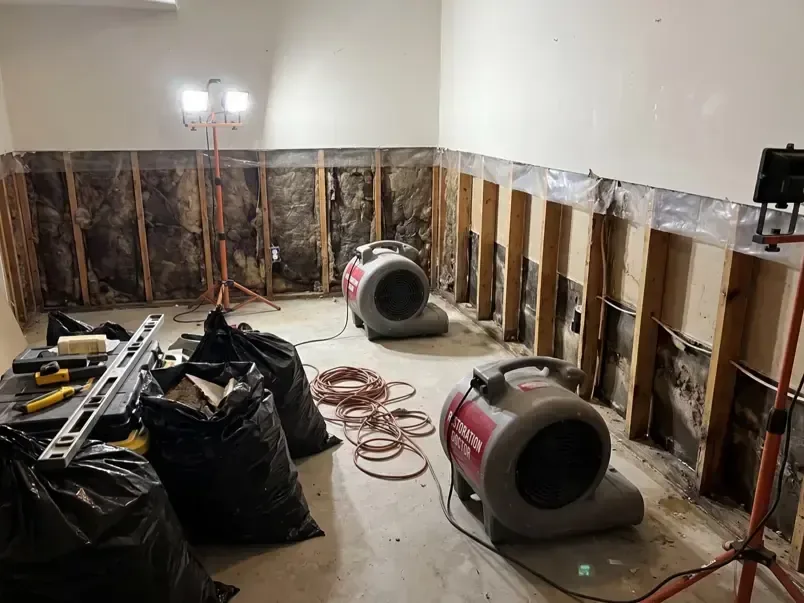
What the drying work looks like inside a home


Documentation for your insurance claim
FEMA flood claims data lists 2024 among the biggest flood claim years in the city. A strong claim file usually holds these items.
- A photo of the flood mark on interior walls, taken before tear-out
- A moisture map of every wet wall, floor and cabinet from the first visit
- The water category and class of loss, written down at the start
- Daily psychrometric logs showing the structure drying toward the goal
- An itemized scope in the format adjusters use, with photos for each room
Know what your policy covers
Rising water from surge or the river is usually a flood insurance matter, while a sudden pipe or appliance leak usually falls under homeowners coverage. The city's part in the Community Rating System gives residents a 15% flood insurance discount.
Coverage depends on your own policy, so confirm the details with your insurer before work begins.
Water damage restoration from the river to the Gulf
Streets and landmarks
ZIP code
Nearby areas
Water damage in Port Richey, FL: the local risk profile
Port Richey is a small city of 3,052 residents (2020 Census) on the Gulf of Mexico in Pasco County, with homes along the Pithlachascotee River and west of U.S. 19. The city newsletter says it sits only a few feet above high tide.

Hurricane Helene brought devastating flooding to the city, and homes along Bay Boulevard west of U.S. 19 were still flooded on September 27.
- Storm surge: Most of the city is in a flood zone only a few feet above high tide, so a hurricane surge reaches living space quickly.
- River and low ground: Homes along the Pithlachascotee River and west of U.S. 19 fall in Evacuation level A, where surge flooding is the main concern.
- Back-to-back hurricanes: Hurricane Idalia pushed storm surge into low-lying Pasco County coastal homes in August 2023, a year before Helene flooded the city.
- Sewage in floodwater: The city warns that floodwater may be contaminated by sewage leaks and debris, and it runs 44 sewer lift stations.
- Hurricane season: The city newsletter calls June through November its biggest threat of general flooding, and hot, humid summers slow every dry-out.
Port Richey water damage questions, answered
What should I do first when floodwater gets inside?
Get people out of the water, keep the power off in wet rooms and follow evacuation orders if water is still rising. Once it is safe, photograph the flood mark and every room, then call for extraction and drying.
Is floodwater in the house dangerous to touch?
Treat it as contaminated. The city warns that floodwater may carry sewage leaks and debris, so the restoration crew handles it as Category 3, wears protective gear and removes the porous materials it soaked.
How long does drying take after a flood here?
Once contaminated materials are out, framing and floors usually take five to ten days to dry. Hot, humid summer air or a power outage after a storm can stretch that, so the drying team keeps the house closed and lets daily readings decide.
Does homeowners insurance cover flood damage?
Usually not. Rising water from surge or the Pithlachascotee River is a flood insurance matter, while a sudden leak inside the home is usually a homeowners claim. The city's Community Rating System standing earns residents a 15% flood insurance discount. Check your own policy with your insurer.
Why do some homes in the city flood again and again?
Most of the city sits in a flood zone only a few feet above high tide, and FEMA flood claims data lists 1993, 1996 and 2024 as its biggest flood claim years. In 2017 the county demolished flood-prone houses in one of the hardest hit areas.
Should I stack sandbags against the walls?
No. The city says not to stack sandbags against the outer walls of a building, and sandbags may be available at City Hall when flooding is possible. Check with the city before a storm arrives.
What is the IICRC S500 standard?
S500 is the restoration industry's standard for water damage work. It defines water categories and classes of loss, how equipment is chosen and when a structure counts as dry: within 2 to 4 points of a dry reference material.
Do sewer lift stations matter during a flood?
The city runs 44 sewer lift stations and maintains them weekly, and in 2025 it applied for a hazard mitigation grant to elevate them after Hurricane Helene. When floodwater mixes with sewage, cleanup follows Category 3 rules from the start.
Does drywall have to come out after flooding?
Drywall and insulation soaked by floodwater or sewage are removed, usually with a cut above the flood mark, so the cavity can be cleaned and dried. Drywall wet only with clean water and dried quickly can often stay.
What is the difference between mitigation and rebuilding?
Mitigation stops the damage: extraction, removal of ruined materials, cleaning and drying. Rebuilding follows, and the city's building permit application asks for plans covering structural, electrical, plumbing and mechanical work.
Water damage in Port Richey? Get the cleanup moving.
Floodwater and leaks keep soaking drywall, cabinets and floors with every hour. The extraction crew clears the water, and the drying team dries the structure and records each reading for the claim.
(888) 621-2041Begin the river city dry-out- Crews sent out day and night
- Dried to the IICRC S500 standard
- Daily readings for the adjuster
- Find us on Google