Water Damage Restoration Tarpon Springs, FL
Round-the-clock water damage restoration for Tarpon Springs homes and Sponge Docks businesses, covering salt water left by surge, burst pipes and sewer backups, with extraction and S500 drying handled by one crew.
(888) 621-2041Describe what the tide or pipe didZIP codes 34688 and 34689, plus Spring Bayou, Sponge Docks and Pointe Alexis
Water Damage Restoration Services in Tarpon Springs, FL
Tidal flooding, hurricane surge and summer thunderstorms drive most calls here, so seawater, roof and storm leaks lead the list, followed by plumbing, appliance and sewer losses.

Water Extraction and Removal
Wands and pumps pull standing water, salt water from tidal and surge flooding included, before it wicks into drywall and padding.
See the service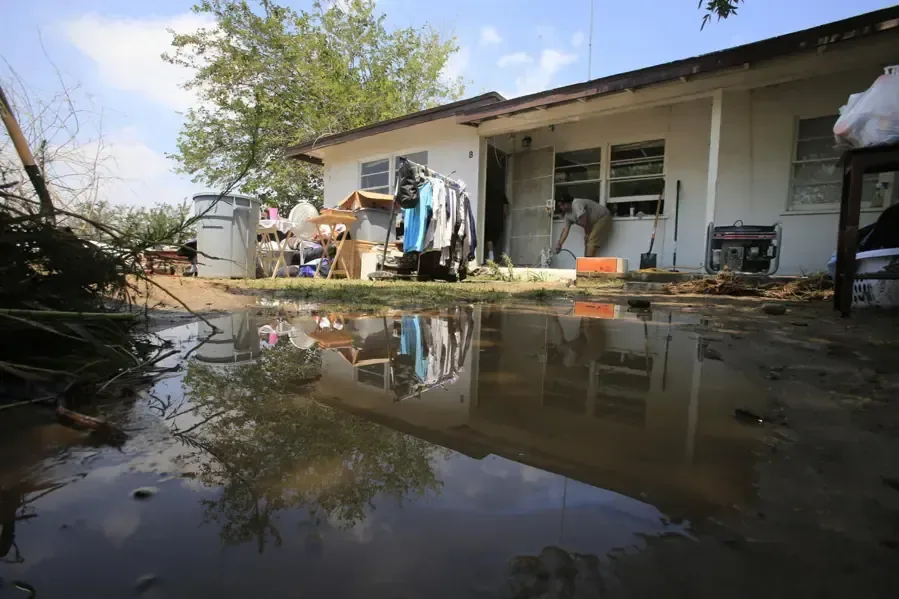
Storm Surge Flood Cleanup
Silt, seawater and debris come out of garages and ground floors, with flood cuts and antimicrobial treatment before rebuilding starts.
See the service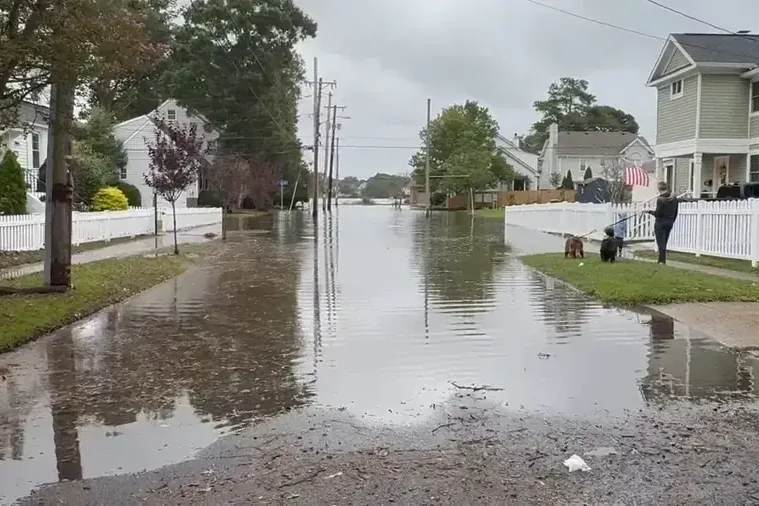
Hurricane and Wind-Driven Rain Damage
Wind-driven rain through windows, soffits and roof breaches is traced, dried and documented after each named storm.
See the service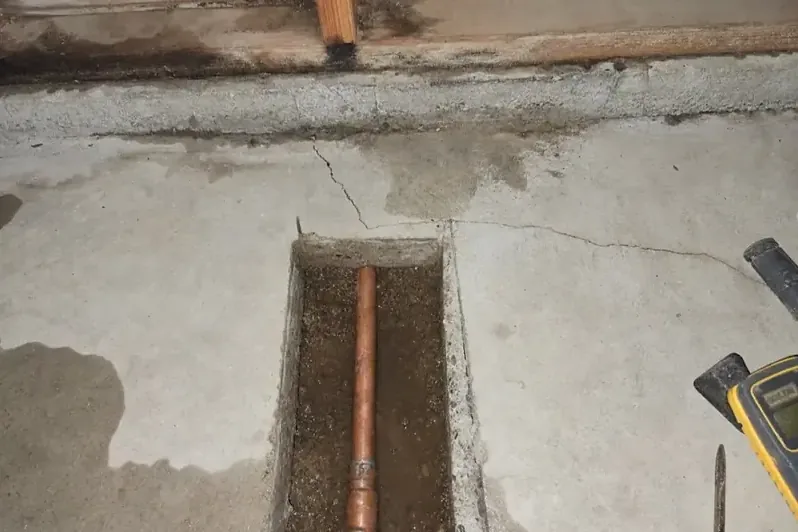
Slab Leak Water Damage
Thermal imaging finds water traveling under flooring, then the slab and walls are dried before new floors go in.
See the service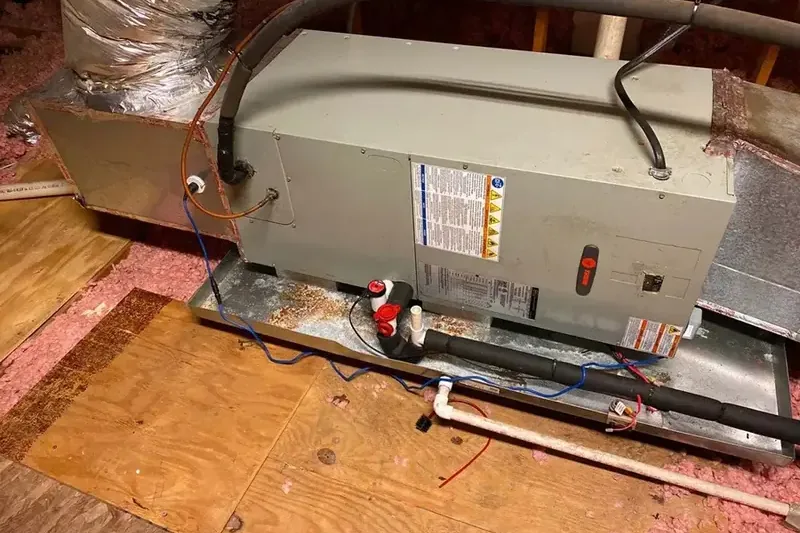
AC Leak Water Damage
Clogged condensate drains and overflowing pans soak ceilings and closets; wet insulation comes out and the cavity is dried.
See the service
Burst Pipe Water Damage
Supply breaks inside walls and attics get opened up, drained and dried, with the damaged section documented for the adjuster.
See the service
Ceiling Leak Water Damage
Stained or sagging ceilings get a meter test, then are dried in place or opened to remove wet drywall and insulation.
See the service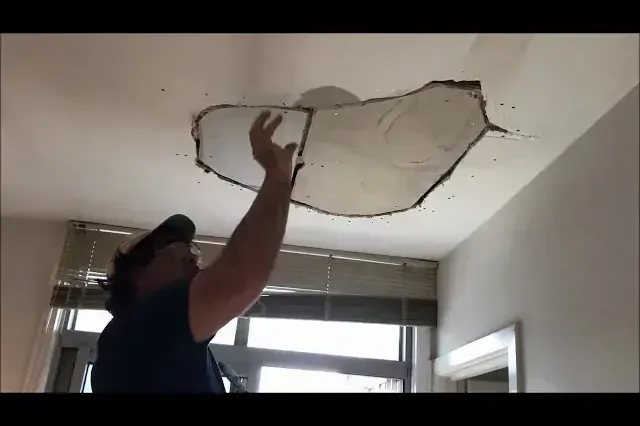
Roof Leak Water Damage
Afternoon thunderstorm leaks soak attic insulation and ceilings; the wet layers are found, removed and dried before they spread.
See the service
Sewage Backup Cleanup
Backed-up drains and overflows are contained, extracted and sanitized, and porous materials touched by sewage are removed.
See the service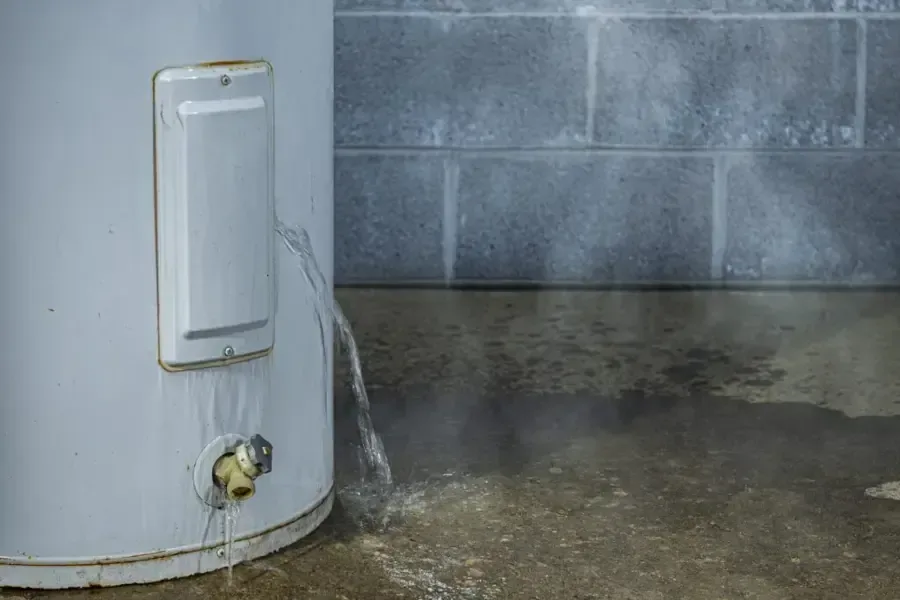
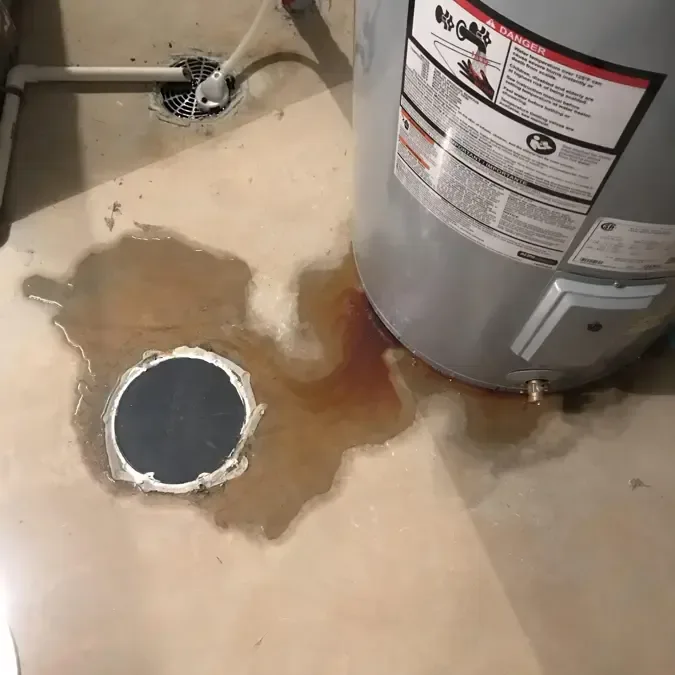
Water Heater Leak Cleanup
Tank leaks spread across garage and closet floors; the water is extracted and the walls and baseboards dried.
See the service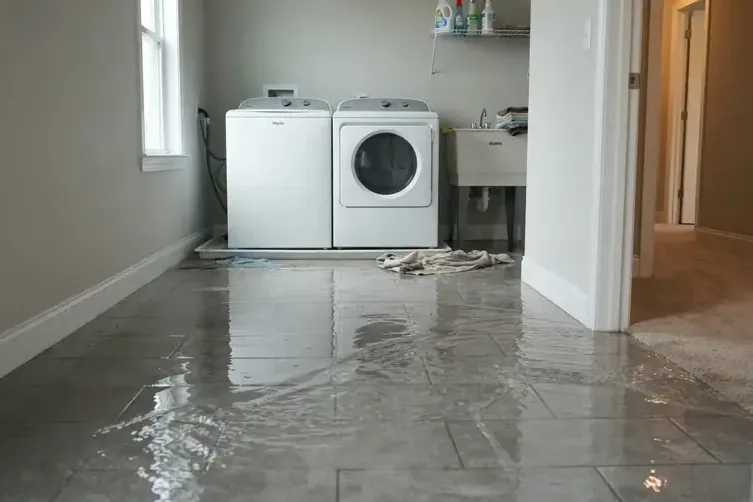
Appliance Leak Water Damage
Washer hoses, dishwashers and refrigerator supplies leak under flooring and cabinets, where drying has to reach the hidden layers.
See the service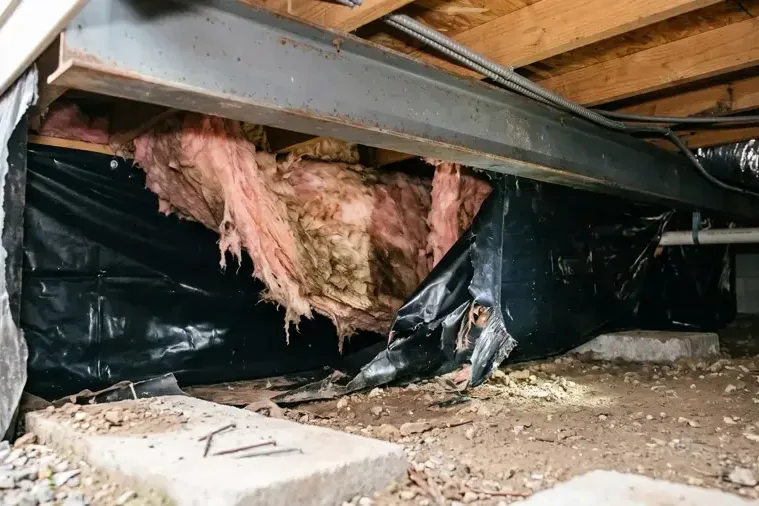
Manufactured Home Water Damage
Manufactured homes get subfloor readings and belly wrap checks, since water collects in insulation below the floor.
See the service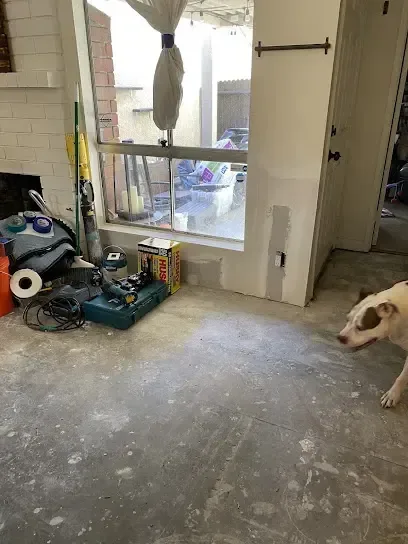
Structural Drying and Dehumidification
Air movers and LGR dehumidifiers dry floors, walls and slabs to a documented target instead of a guess.
See the service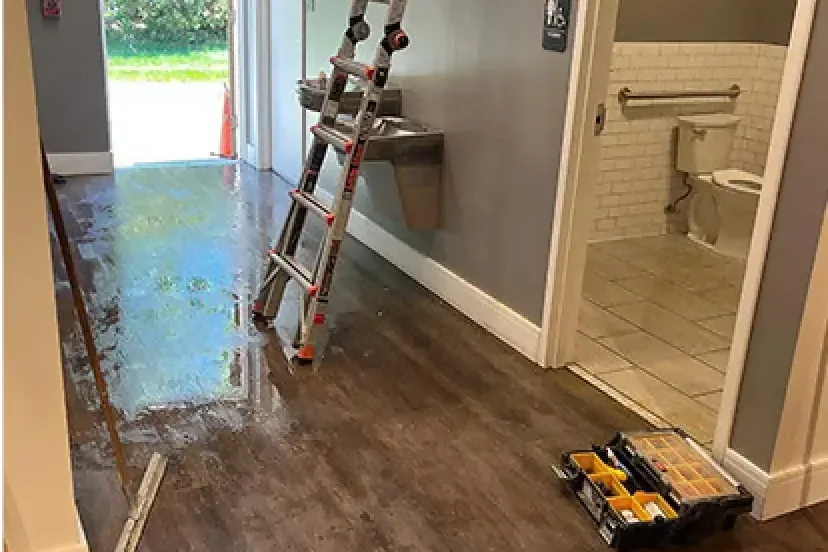
Commercial Water Damage
Restaurants, gift shops and offices need phased drying and clear documentation so the doors can reopen after a surge or leak.
See the serviceFive moves to make before cleanup begins
- 1
Stop the source
Shut the main valve or switch off the breaker for wet areas, and stay out of standing water that may carry sewage or salt.
- 2
Report street-side leaks
The city asks owners to call its Water Conveyance Division first about an outage, leak or sewer backup, before booking a plumber.
- 3
Lift valuables up
Move electronics, papers and photos onto dry shelves, and leave soaked carpet and cabinets in place for the crew to assess.
- 4
Book extraction early
Salt water and sewage soak into drywall and padding fast, so the call comes before any scrubbing or mopping starts.
- 5
Photograph before cleanup
Wide shots, close shots and meter readings of the waterline, damaged contents and the source help the adjuster later.
A dry-out ends at a written drying goal
In a Tarpon Springs home, finished means meter readings on floors, studs and drywall match an unaffected reference area, the dehumidifiers have logged steady drops, and the adjuster has the numbers on paper before any equipment leaves.
Map the wet zones
Thermal imaging and a moisture meter mark wet floors, wall bases and ceilings before any equipment is placed, so nothing is dried blindly.
Pull the water out
Pumps and wands remove standing water, and surge water goes first because salt residue holds moisture in porous finishes.
Stage the drying gear
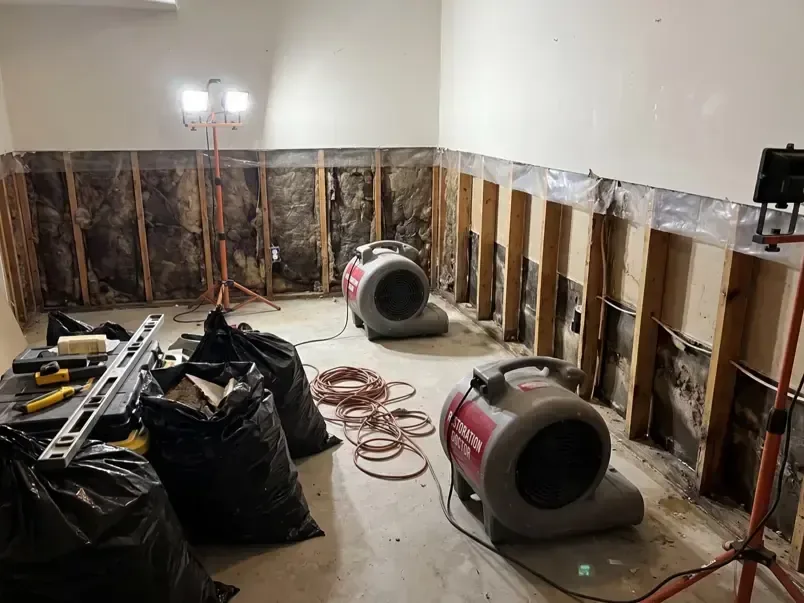
Air movers and LGR dehumidifiers go in by room size and water class, with wall cavities opened or vented where moisture is trapped.
Read until it passes
Daily readings track every wet spot, and equipment stays until each reading reaches the drying goal and the log is complete.
What does water damage restoration cost in Tarpon Springs, FL?
Most local jobs land anywhere from $1,200 to $30,000, depending on how many rooms are wet, how long the water sat and whether it was clean, gray or contaminated.
A single wet room
- Extraction and moisture map
- Dried in place
- Daily readings logged
Several rooms and cavities
- Pad and baseboards removed
- Wall cavities dried
- Claim file started
Surge or sewage loss
- Category 3 removal
- Containment and HEPA scrubbing
- Extended drying time
These are typical ranges, not a quote, because the moisture map and the water category set the real figure. Surge and sewage jobs sit at the top because more materials must be removed. The water damage cost calculator gives a rough starting range.
Clean, gray and black water get different handling
Category 1: clean water
Supply breaks and tank leaks start clean, but soak into materials fast, so early drying keeps them clean.
Burst pipe damageCategory 2: gray water
Washer, dishwasher and overflow water carries some contamination, so wet padding and cabinet bases are usually removed.
Appliance leak cleanupCategory 3: black water
Sewage and rising surge or tidal water are black water, so porous materials come out and the area is contained.
Sewage backup cleanup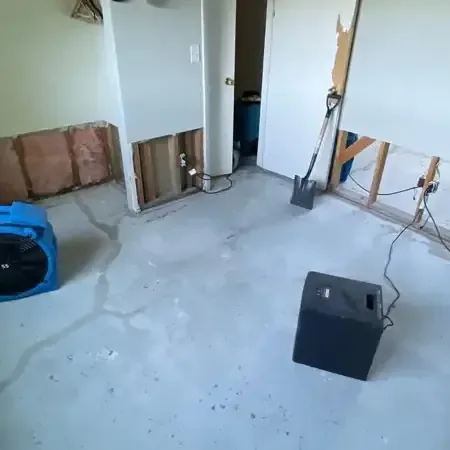
Old bayou houses and newer golf communities share one habit
Spring Bayou and the historic district hold buildings from the 1880s and 1890s, while Crescent Oaks and Cypress Run are golf course communities, yet water behaves alike in all of them: it runs to the lowest floor, then wicks into baseboards and cabinets.
Rapid local response
Crews know the coastal streets and tidal pockets, so a surge or leak call goes straight to extraction work.
IICRC S500 standard
Drying follows the S500 water damage standard, with written targets for each material instead of a rule of thumb.
Claim-ready documentation
Moisture maps, daily logs and dated photos arrive in one file the adjuster can read without a second site visit.
Local water knowledge
Tidal streets, surge history and the city's Water Conveyance Division all shape which questions come first on a job.
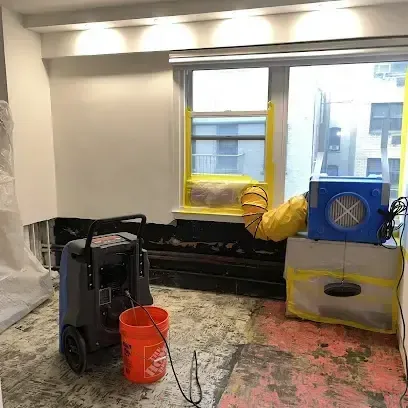
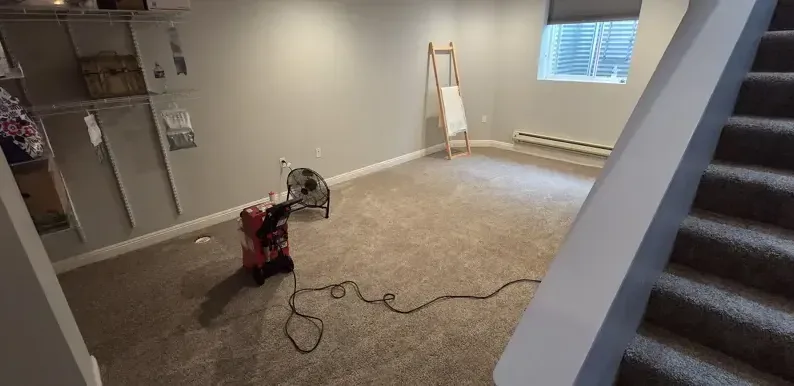
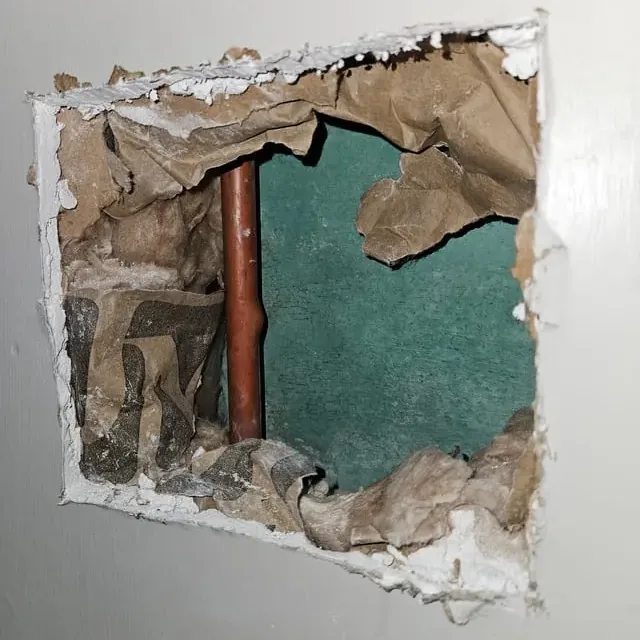
What a finished dry-out setup looks like


Building the claim file
Adjusters want proof of what happened and when, so the file is built from the first visit instead of assembled after the dry-out.
- Dated photos of the waterline, the source and the damaged contents
- Moisture readings from every wet floor, wall base and ceiling area
- A written note of the cause and when the water was first noticed
- An itemized list of removed materials and affected contents
- Daily drying logs showing equipment, readings and the final drying goal
If the owner files directly
Owners can open the claim themselves and send the file as it grows, while the crew keeps readings current so the adjuster can compare final numbers with the first ones. Surge or tidal flooding and a burst pipe can fall under different coverage.
Coverage depends on the policy, so the homeowner's own insurer has the final say.
Service across the city's streets, bayous and docks
Streets and landmarks
ZIP codes
Nearby areas
Tides, surge and storm drains shape the risk here
The city sits on the Gulf Coast with the Anclote River, Spring Bayou and Whitcomb Bayou close by, and its storm sewers connect low streets to tidal water, so chronic flooding can arrive on a sunny day.

Hurricane Helene's surge sent several feet of seawater into Sponge Docks businesses, and debris piles stood outside many water-damaged homes.
- King tides: High tides near a new or full moon can flood low streets on sunny days, such as Dodecanese Boulevard and Canal Street at Roosevelt Boulevard.
- Storm surge: Hurricane Idalia lifted the Anclote River on August 30, 2023 and flooded Athens Street, and the Sponge Docks sit in Evacuation Zone A.
- Rain on a high tide: The city says tidal check valves cannot stop flooding when heavy rain meets a high tide unless pumps are added.
- Sewer overflow: A pipe on the Bayshore Drive bridge ruptured in July 2026 and spilled an estimated 8,200 gallons of untreated wastewater into the Anclote River Bayou Complex.
- Summer thunderstorms: Hot, humid summers bring frequent afternoon thunderstorms, and a short downpour on saturated ground can overwhelm roofs, gutters and low yards.
Questions homeowners ask here
Does seawater need different cleanup than rain?
Yes. Surge and tidal water carry silt, salt and bacteria, so it is handled as black water: extraction first, then porous materials removed and the area contained before drying starts. Salt left behind can hold moisture in wood and drywall.
Should the city or a plumber be called first?
For a water outage, leak or sewer backup, the city asks owners to call its Water Conveyance Division first and says it cannot reimburse plumbing bills when a plumber is called first. Restoration crews handle the drying afterward.
How long does drying usually take?
Most clean-water jobs dry in a few days, while surge, sewage or saturated wall cavities can take longer. Daily readings, not the calendar, decide when the equipment leaves. Heavy salt or hidden moisture under wood flooring can extend it further.
Is cloudy tap water in November a leak?
The city starts annual hydrant flushing in November and says brief cloudy or discolored water is normal. Wet floors, damp walls or a spinning meter are the signs of a real leak. Moisture readings settle the question.
Can a docks business keep operating during drying?
Sponge Docks restaurants, gift shops and boats need phased drying, with containment and evening work where the site allows, so the affected area is isolated while the rest of the business runs. Documentation for the business policy is built at the same time.
Will the planned flood project end the flooding?
The Sponge Docks Flood Abatement Project is planned to use underground piping, a vault and a pump station, and state design funding was approved in December 2025. It is still in design, so it cannot be counted on yet.
How do manufactured homes dry differently?
Water collects in the belly wrap and subfloor insulation below the floor, so readings go under the home first. That matters in resident-owned 55+ communities such as Tarpon Shores.
Who handles a septic tank problem?
For septic tank problems the city points residents to the Pinellas County Health Department, while a sewer backup is reported to the city's Water Conveyance Division. Restoration of the soaked floors and walls follows either report.
What should be kept before debris goes to the curb?
Photos of the waterline, a list of discarded items and the drying logs all matter, and debris piles at the curb should wait until photos are taken.
Water in the house after a tide or a leak
Salt water, sewage and plumbing leaks all cost more the longer they sit, so one call to the crew starts extraction, moisture mapping and the paperwork the adjuster will ask for.
(888) 621-2041Call about tide, leak or sewer water- Crews sent out day and night
- Dried to the IICRC S500 standard
- Daily readings for the adjuster
- Find us on Google