Water Damage Restoration New Port Richey, FL
Round the clock water damage restoration in New Port Richey, from river and high tide flooding to a failed water heater. Crews extract the water, map the moisture and dry every wet cavity to the S500 goal.
(888) 621-2041Say what the tide or leak soakedZIP codes 34652, 34653, 34654, 34655 and 34656, plus Main Street and Tanglewood.
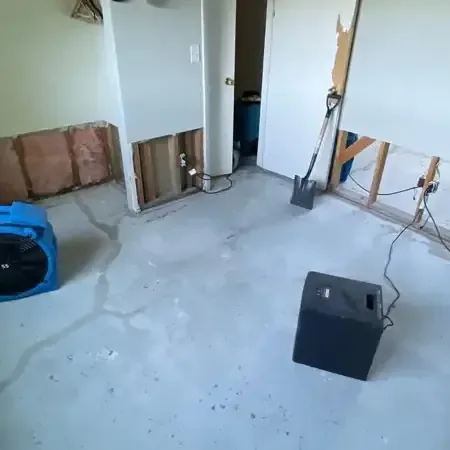
Water Damage Restoration Services in New Port Richey, FL
Tide and storm flooding are the big local risks, with heavy rain, roof and ceiling leaks, water heater and appliance leaks and sewage backups close behind.

Water Extraction and Removal
Pumps and extractors pull standing water off floors, and moisture readings show what the pad and lower walls still hold.
See the service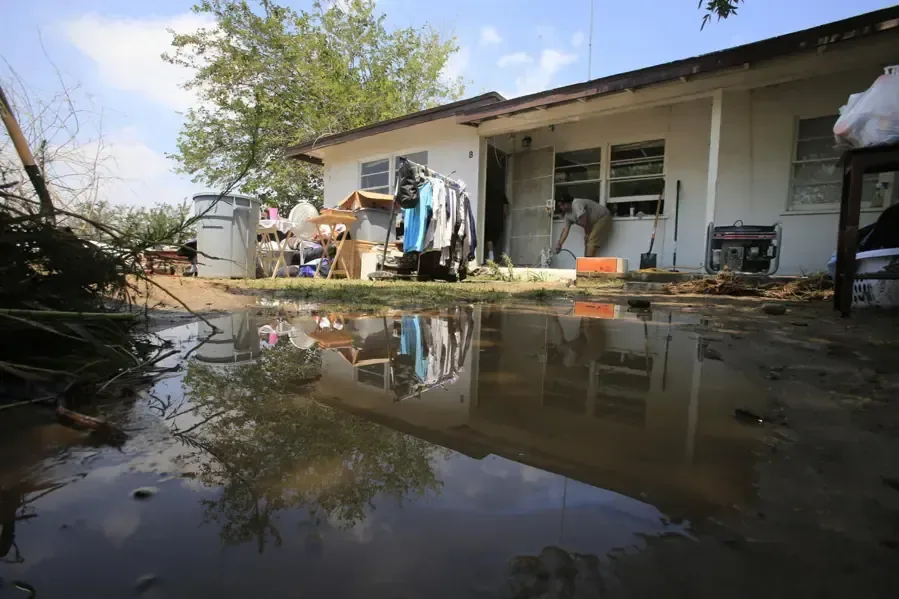
Storm Surge Flood Cleanup
Tide, river and Gulf water leaves silt and contamination, so wet drywall and flooring come out and the structure is sanitized.
See the service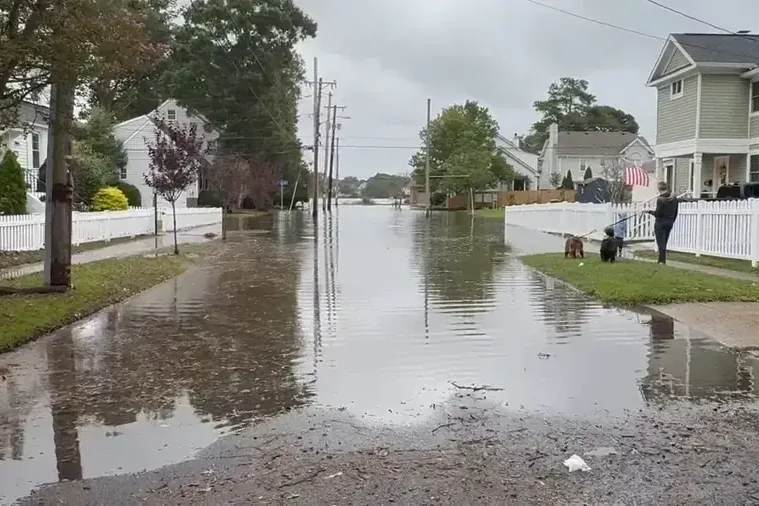
Hurricane and Wind-Driven Rain Damage
Wind driven rain through a breached roof soaks ceilings and walls, and crews dry them even without grid power.
See the service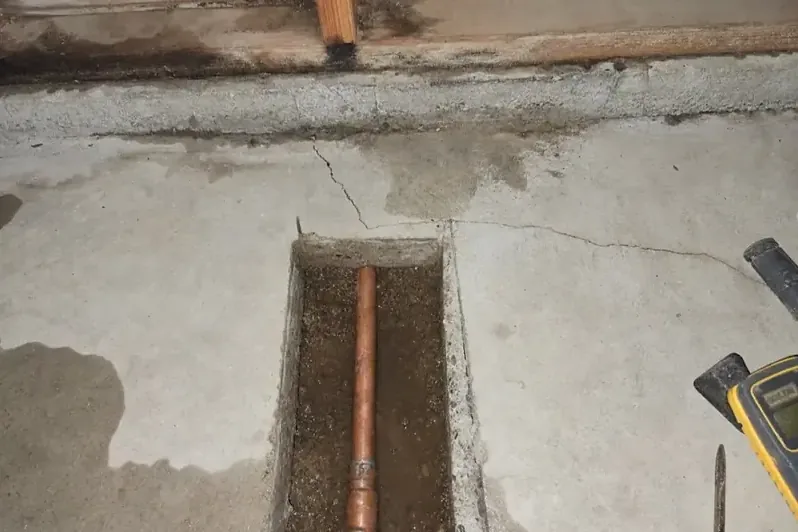
Slab Leak Water Damage
Thermal imaging and listening gear trace a hidden pipe leak under the floor, then the slab and wall bases are dried.
See the service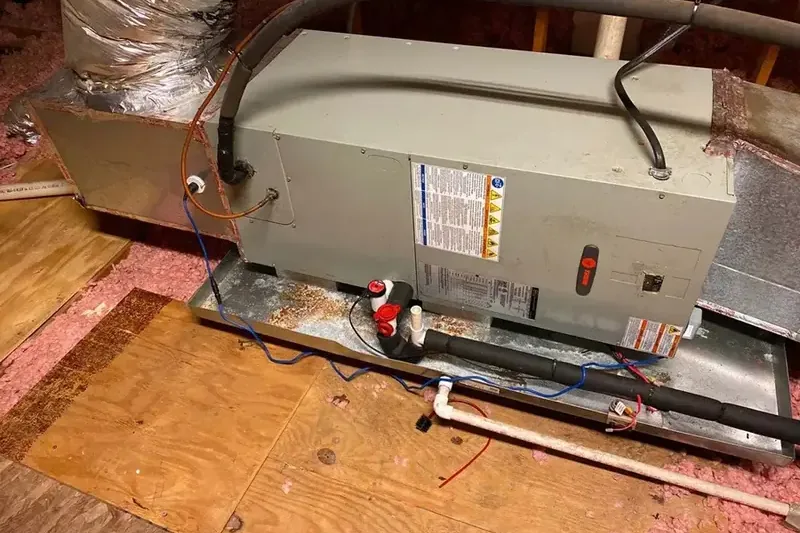
AC Leak Water Damage
A clogged condensate drain sends water into ceilings, closets and hallways, so wet insulation and drywall are opened and dried.
See the service
Burst Pipe Water Damage
A split supply pipe floods floors and runs down wall cavities, so crews extract, open the wet drywall and dry the framing.
See the service
Ceiling Leak Water Damage
A stained or sagging ceiling hides trapped water, so crews trace the source, open the wet section and dry the cavity.
See the service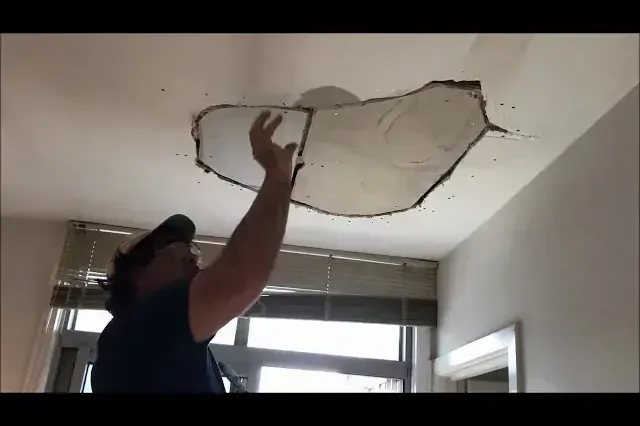
Roof Leak Water Damage
Heavy rain finds weak flashing and shingles, then soaks insulation and ceilings before a stain shows, so the attic is checked.
See the service
Sewage Backup Cleanup
Backed up sewage is Category 3 water, so crews contain the area, remove porous materials and sanitize.
See the service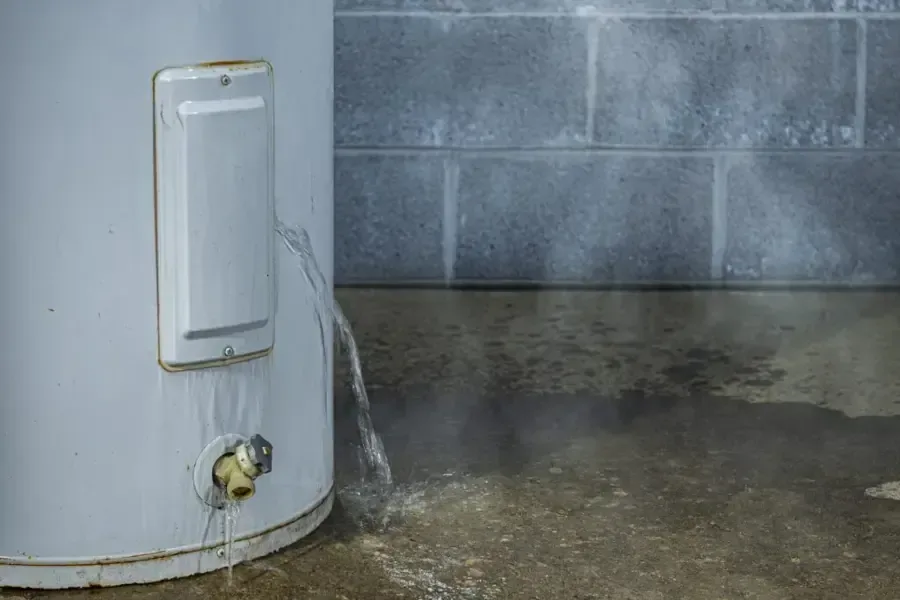
Water Heater Leak Cleanup
A failed tank floods a garage or closet fast, so crews extract, dry the baseboards and check the walls behind.
See the service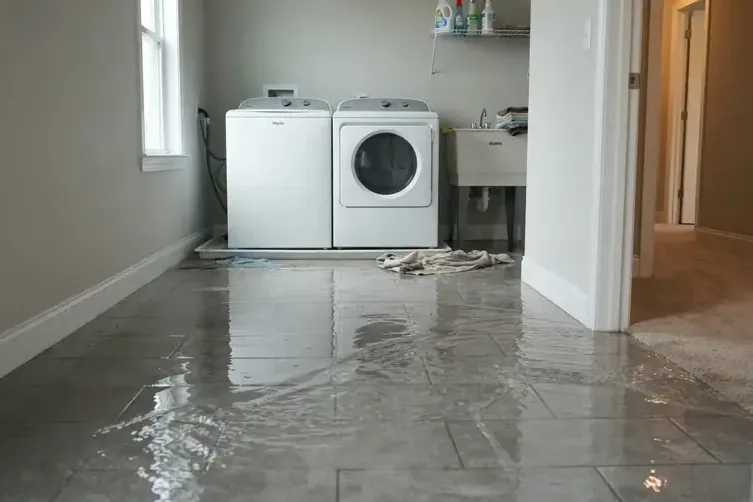
Appliance Leak Water Damage
Dishwasher, washer and refrigerator leaks soak flooring and cabinet bases, so crews lift the floor and dry the toe kicks.
See the service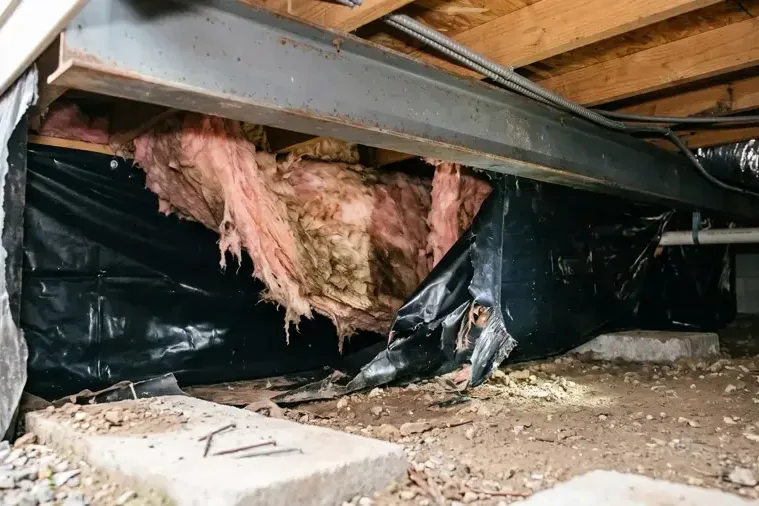
Manufactured Home Water Damage
Manufactured homes need subfloor readings, belly wrap checks and careful drying under the floor, where water hides.
See the service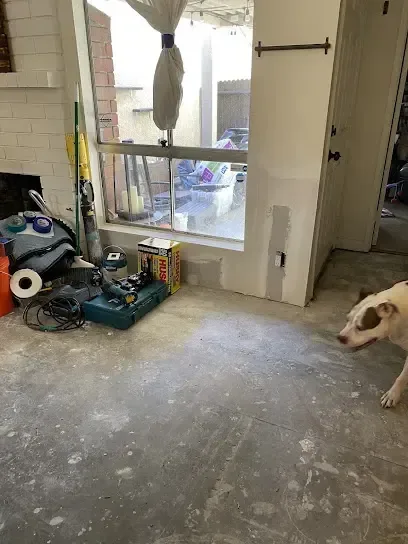
Structural Drying and Dehumidification
Air movers and LGR dehumidifiers dry framing, subfloors and wall cavities, with daily readings until they reach the goal.
See the service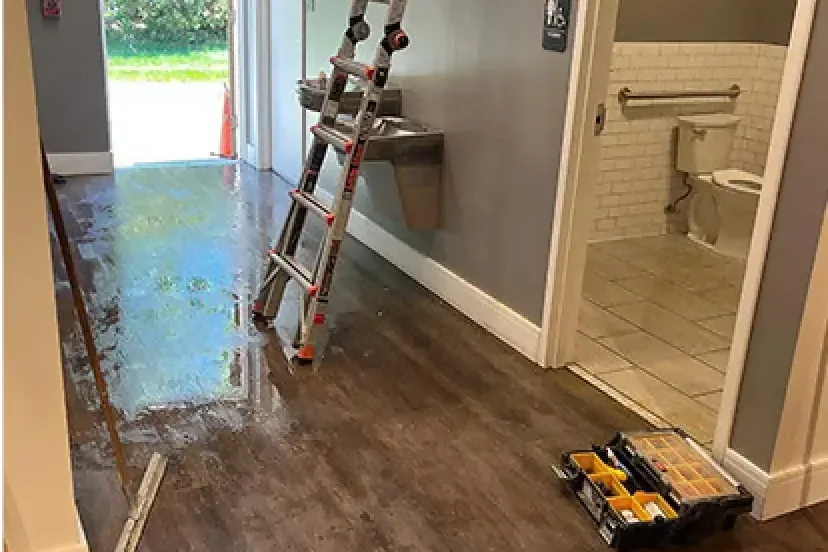
Commercial Water Damage
Offices, medical suites and shops get phased drying, containment and after hours crews so the business can reopen sooner.
See the serviceWhat to do right after water gets in
- 1
Stop the water source
Shut the water off at the fixture or the main valve, switch off the water heater, and stay out of rooms with sagging ceilings.
- 2
Kill power to wet areas
Turn off breakers feeding wet rooms, and never walk through standing water near outlets, cords or appliances.
- 3
Lift valuables off floors
Move rugs, electronics and paper to dry ground, but leave heavy furniture where it is until a drying plan exists.
- 4
Treat tide water as unsafe
River, canal and sewer water carry contamination, so avoid wading, wash up afterward and keep kids and pets out.
- 5
Photograph the damage
Take wide and close photos of every wet area, the source and damaged belongings before anything is removed or discarded.
When a wet home counts as dry
Dry means every material reads at its normal moisture level, not just that the surface feels dry. Structural drying logs readings on framing, subfloors and drywall daily until they match an unaffected area of the home.
Readings before equipment
Meters and thermal imaging show where the water traveled, including behind baseboards and under flooring, so equipment goes only where it is needed.
Extraction comes next
Standing water and soaked pad leave first, because every gallon pulled out by pump is one the dehumidifiers never have to remove from the air.
Air movers and dehumidifiers
Air movers push dry air across wet surfaces while LGR dehumidifiers pull the moisture out of the room, sized to the volume of the space.
Readings down to the goal
Equipment keeps running until readings on every wet material match the dry reference, and then the final numbers go in the file.
What does water damage restoration cost in New Port Richey, FL?
Small leaks typically run about $1,200 to $4,000, and larger losses climb from there, depending on the water category, how far it spread and how long it sat.
One small leak
- Extraction and moisture readings
- Dried in place
- Baseboards and walls checked
Several wet rooms
- Flood cuts and pad out
- Wall cavities dried
- Claim file built
Flood or sewage loss
- Category 3 removal
- HEPA air scrubbing
- Longer drying time
These are typical ranges, not a quote, because every loss differs. Moisture readings on site set the real number. The water damage cost calculator gives a rough estimate for a specific loss, and the crew confirms it after the first visit.
Clean, gray and black water need different handling
Category 1: clean water
Supply pipe and water heater failures start clean, but the water turns worse if wet materials sit for days.
Burst pipe water damageCategory 2: gray water
Washer and dishwasher overflows carry soap and bacteria, so porous materials usually come out.
Appliance leak damageCategory 3: black water
Sewage and tide or river flooding carry contamination, so removal and sanitizing come first.
Sewage backup cleanup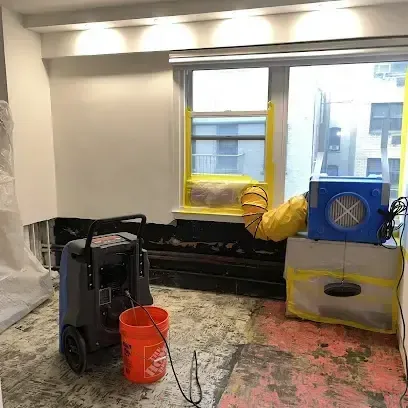
Water moves differently in a low coastal city
Much of the city sits low beside the river and the Gulf, and about 44 percent of it lies in a Special Flood Hazard Area. Water often arrives from outside, then settles into lower walls and floors and stays there.
Round the clock response
Water damage does not keep office hours, so crews take calls day and night and start with questions about the source.
S500 drying standard
Drying follows IICRC S500 practice, with mapped readings, logged equipment and a clear dry goal for every material.
Claim ready records
Photos, readings and daily logs are kept in one file so the adjuster sees what happened and what was done.
Knowledge of local flooding
Crews know how tide, river and storm water behave here, and which jobs need containment.
What a typical dry out looks like
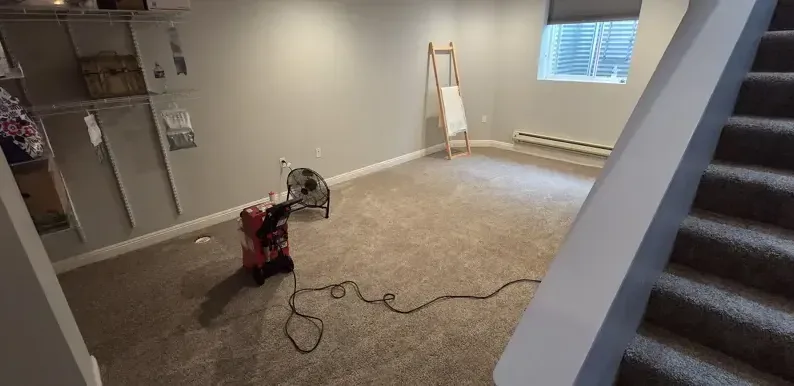
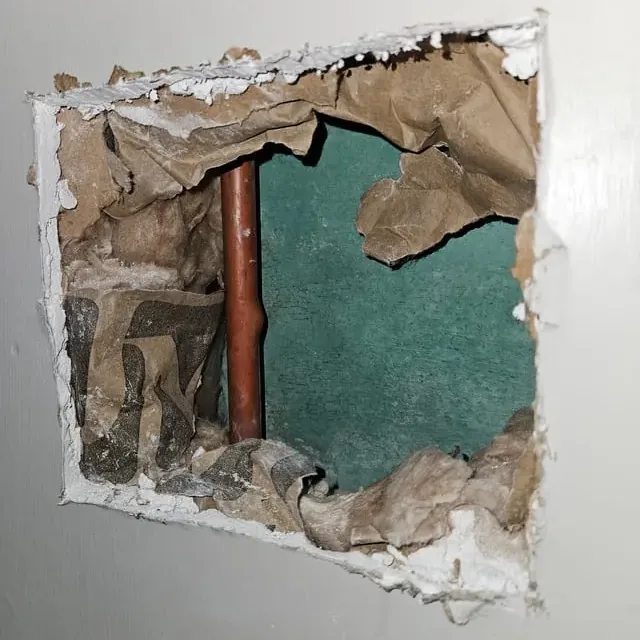

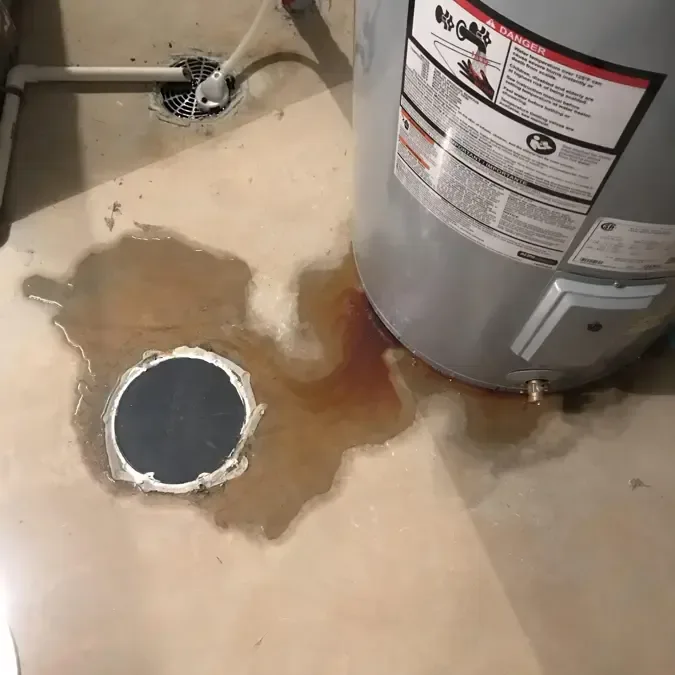

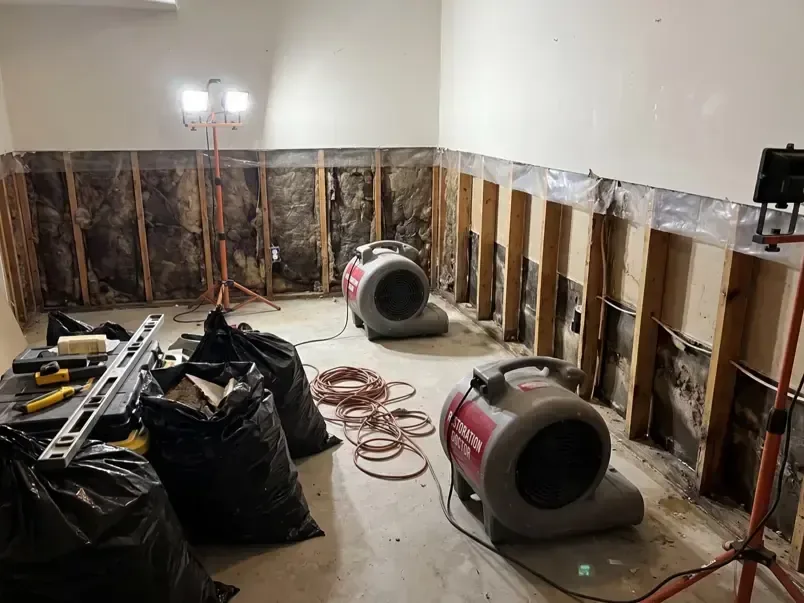
Documentation for the claim
Insurers want proof of the cause, the dates and the damage. The crew builds that file while the dry out is under way.
- Dated photos of the source and every wet room before cleanup
- Moisture readings and thermal images from the first visit
- Daily drying logs showing equipment and readings until the goal
- An itemized list of materials removed and the reason for each
- Receipts for emergency repairs, such as a tarp or a shutoff
What to ask your insurer
Coverage depends on the policy and on how the water got in. A sudden pipe or appliance failure is treated differently from rising tide or river water, and wind driven rain through a damaged roof has its own terms.
Only the insurer can say what a given policy covers, so call the agent before assuming.
Crews cover the city and its mailing area
Streets and landmarks
ZIP codes
Nearby areas
Why tide, rain and river water matter here
City officials name the Gulf of Mexico and the Cotee River as sources of storm surge, flash flooding and prolonged inundation, and they say many areas flood with only a high tide and a west wind.

Hurricane Helene flooded the US 19 corridor, Pasco crews made almost 200 rescues overnight, and floodwater west of US 19 receded soon after.
- High tide flooding: The city says many areas flood on a high tide and a west wind alone, so flood cleanup can be needed with no named storm nearby.
- River and canals: Low spots near the Cotee River and the canals take on water first, and the Sims Park boat ramp is among the first places to flood.
- Back to back storms: Helene in late September and Milton in early October 2024 left little time for homes to dry between storms.
- Sewage in floodwater: The city sewer system relies on 74 lift stations that need power, so a hurricane outage can send a sewage backup into homes.
- Heavy rain years: A typical year brings over 50 inches of rain, and 2019 reached 70.9 inches, which pushes more water into drains and sewers.
Water damage questions answered
Who handles a leak between the meter and the street?
The city says a leak from the meter to the street is the city's, while a leak anywhere from the meter to the house is on the homeowner's side. A crew can still dry the damage while that is sorted out.
My sewer backed up. Who do I call first?
The city says homes with a cleanout, a white capped pipe in the yard, should call Public Works, and homes without one should hire a private plumber. Crews then handle contaminated materials and sanitizing.
Does a New Port Richey address mean city water and sewer?
Not always. The city serves properties both inside and outside its limits, and the mailing area is wider than the city. Public Works can confirm which utility serves a particular street.
Do high tides really flood homes here?
The city says many areas flood with only a high tide and a west wind, and about 44 percent of the city lies in a Special Flood Hazard Area. Tide water carries silt and contamination, so cleanup is more than drying.
What did Helene and Milton do locally?
Pasco crews made almost 200 rescues overnight during Helene in September 2024, and the Anclote River flooded after Milton in October. Many homes needed drying after back to back storms.
Does the 50 percent rule affect repairs?
In the city's flood zones, repairs or improvements above 50 percent of a building's value trigger the substantial improvement rule. The Building Division decides how it applies, so ask before a major rebuild.
Do roof repairs need a permit?
The city's Building Division requires permits for roof replacements and plumbing replacements. A tarp and the dry out can go ahead while the permanent repair is planned.
How long does drying take after a flood?
Most dry outs run several days, longer in humid weather or when tide water soaked the framing. Readings decide when it is finished, not the calendar.
Can sewage back up during a hurricane?
Yes. The city's 74 lift stations need power, outages are common in hurricanes, and the city is adding or planning standby generators at several. Sewage in a home is Category 3 water.
Can an old city main flood a yard?
In 2026 two homeowners traced front yard flooding to an abandoned city water main that was still under pressure. A yard that stays wet without rain deserves a source check.
Water keeps spreading while you wait
The longer water sits in framing and subfloors, the more materials fail. A crew can map the damage, plan extraction and set up drying equipment once the situation is clear.
(888) 621-2041Get a drying plan going- Crews sent out day and night
- Dried to the IICRC S500 standard
- Daily readings for the adjuster
- Find us on Google