Storm Surge Flood Cleanup in Tampa, FL
Surge water carries silt, sewage and debris into ground floors. Crews pump it out, cut away what it soaked, sanitize the structure and dry the framing before rebuilding begins.
(888) 621-2041Name the area the surge reached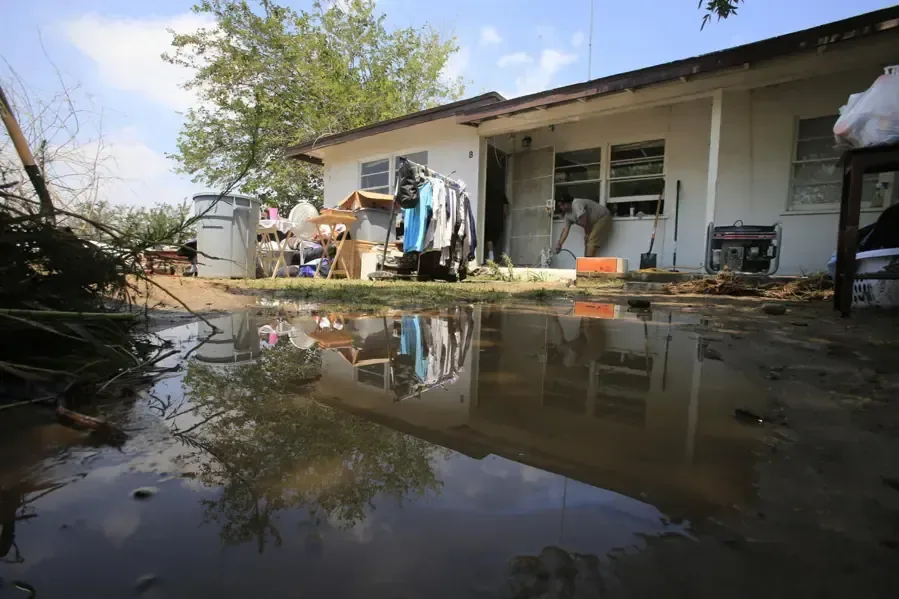
Surge is different from a leak because it arrives from the bay, mixes with street runoff and settles as silt. On August 30, 2023, Hurricane Idalia's surge flooded Bayshore Boulevard, with up to 4 feet reported, and the city says surge from tropical systems can cause its most widespread damage.
First steps for storm surge flood cleanup
- 1
Stay out of it
Surge water can carry sewage, so avoid wading and keep pets away.
- 2
Kill the power
Switch off breakers to wet rooms before anyone steps inside.
- 3
Photograph the damage
Capture the high water mark, belongings and the street conditions.
- 4
Call before cleaning
Crews pump and remove in the right order, which protects the claim.
What does storm surge flood cleanup cost in Tampa, FL?
Surge cleanup for a garage or one room usually runs $4,000 to $10,000, and a whole house can reach $22,000 to $40,000 because Category 3 removal and long drying drive the cost.
Garage or one room
- Silt and water out
- Lower drywall cut
- Antimicrobial applied
Several rooms
- Floors and drywall out
- HEPA scrubbers running
- Framing dried
Whole house
- Full Category 3 tear-out
- Cabinets detached
- Extended drying
These are typical ranges, not a quote. The water category, the square footage, the material class and how soon drying began change the total most, and the water damage cost calculator narrows the range.
How storm surge flood cleanup is handled, step by step
The walkthrough starts with a moisture map, so the drying plan matches what is truly wet. Air movers and dehumidifiers stay until the meters read dry, not until the surface looks dry.
Pump and clear
Standing water, silt and debris are removed before anything else.
Cut and remove
Wet drywall, pad and insulation come out above the water mark.
Clean and treat
Surfaces are cleaned, then treated with antimicrobial and scrubbed air.
Dry to target
Equipment runs until readings match the dry reference.
What the cleanup removes
Porous materials that sat in surge water rarely come clean, so the crew removes them and works from the bottom up. Flood cuts go above the visible stain, since wicking carries water higher than it looks.
- Silt and standing water pumped out
- Wet drywall cut above the water mark
- Carpet, pad and insulation removed
- Cabinets and trim detached to dry behind them
- Floors scrubbed and sanitized before drying
Drying the structure after the surge
Once the debris is gone, the crew sets HEPA air scrubbers and containment, then dries studs, plates and subfloor with dehumidifiers until readings reach a defined target. Humid air slows that work, so it is monitored daily. See sewage backup cleanup for the same protective steps indoors.
- HEPA air scrubbers run behind containment
- Daily readings decide equipment changes
- Final readings are logged for the claim
Rules that follow a flood
In flood hazard areas, repairs can trigger more than cleanup. The city mails FEMA substantial damage letters, and a home counts as substantially damaged when repair costs pass half its value, so the crew's moisture logs and photos help build the file for your claim. Dated photos taken before cleanup help show what the surge reached.
Storm surge flood cleanup here and in nearby towns
Surge cleanup crews work Davis Islands, Palmetto Beach, Culbreath in the Westshore area and the Bayshore Boulevard corridor, all named by officials or reports after recent storms.
The same service nearby: storm surge flood cleanup in Hudson, Belleair, Tarpon Springs.
Every water damage service for this town · every town covered
Related water damage services in Tampa
Storm Surge Flood Cleanup questions, answered
Is surge water considered sewage contaminated?
Treat it that way. Surge can mix bay water, street runoff and overflow, and after Helene the city reported wastewater pumping stations overflowing, so crews handle it as Category 3.
Which areas saw surge in recent storms?
Reports name Bayshore Boulevard for Idalia in 2023 and Davis Islands and parts of South Tampa for Helene in 2024, and city officials listed Palmetto Beach, Davis Islands and Culbreath among the hardest hit areas.
How far above the water mark do flood cuts go?
Drywall is usually cut higher than the visible stain, since moisture wicks upward through the board. Readings and a thermal camera show where the wet material ends before the cut is made.
Can furniture and belongings be saved?
Hard items such as solid wood and metal often clean well, while upholstery, mattresses and particleboard soaked in surge water usually do not. Photograph everything before it is discarded, for the claim.
Do FEMA substantial damage letters change the cleanup?
The cleanup stays the same, but the paperwork can grow. When repairs would cost more than half a home's value, the home must meet current floodplain and code rules, so careful moisture logs and photos matter.
Can mold start after surge flooding?
It can if wet materials stay damp, which is why flood cuts, scrubbing and drying all run on a schedule instead of waiting for stains to show.
Bay water does not drain on its own
Silt, sewage and moisture keep working on the structure while it waits, so call now and let the crew plan pumping, removal and drying.
(888) 621-2041Start the surge cleanup- Crews sent out day and night
- Dried to the IICRC S500 standard
- Daily readings for the adjuster
- Find us on Google