Storm Surge Flood Cleanup in Tarpon Springs, FL
Hurricane Idalia lifted the Anclote River in 2023 and Helene pushed seawater into Sponge Docks businesses in 2024, so surge cleanup here starts with silt, salt and contaminated water.
(888) 621-2041Report seawater inside the house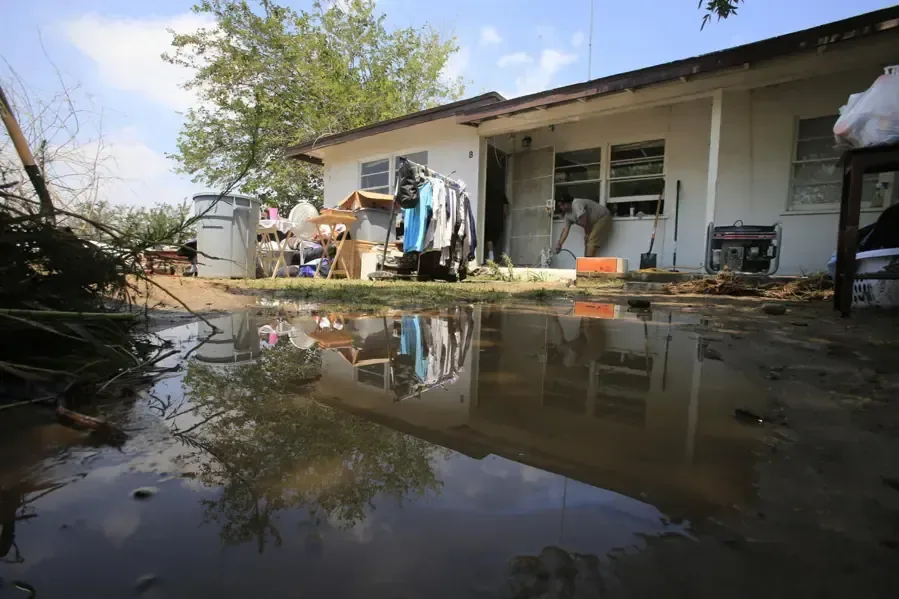
Surge water behaves differently from a plumbing leak. It arrives with silt, salt and whatever it picked up along the way, and it reaches low garages, ground floors and shopfronts at once. Tarpon Springs saw that in 2023 with Idalia and again in 2024 with Helene. Cleanup begins with safety and sorting, since seawater and silt turn ordinary materials into contaminated waste.
First steps for storm surge flood cleanup
- 1
Stay out of it
Surge water can carry sewage and sharp debris; shut off power.
- 2
Photograph the waterline
Capture the high-water mark and damaged contents before cleanup.
- 3
Save what is dry
Raise documents, medications and electronics above the waterline.
- 4
Call before hauling debris
Photos of the pile come first, then the crew sorts what is salvageable.
What does storm surge flood cleanup cost in Tarpon Springs, FL?
Garage or single-room surge cleanup typically runs $4,000 to $10,000, several rooms $10,000 to $22,000, and a whole house $22,000 to $40,000, because every wet porous material has to come out.
A garage or one room
- Silt and water out
- Flood cuts made
- Antimicrobial applied
Several rooms
- Drywall and flooring out
- HEPA air scrubbers
- Structural drying
The whole house
- Full Category 3 tear out
- Cabinets removed
- Extended drying
These are typical ranges, not a quote. The water category, the square footage, the material class and how soon drying began change the total most, and the water damage cost calculator narrows the range.
How storm surge flood cleanup is handled, step by step
The walkthrough starts with a moisture map, so the drying plan matches what is truly wet. Air movers and dehumidifiers stay until the meters read dry, not until the surface looks dry.
Remove water and silt
Pumps, shovels and vacuums clear water, mud and debris.
Cut and remove
Saturated drywall, insulation and flooring come out above the waterline.
Treat and scrub
Antimicrobial goes on exposed framing as HEPA scrubbers run.
Dry and document
Dehumidifiers and air movers run until readings reach the goal.
What gets removed first
Silt and debris are shoveled and vacuumed out, standing water is pumped, and anything porous that sat in seawater is sorted for removal. Floors are rinsed once the heavy material is out, and the rinse water is removed too. Extraction details are under water extraction.
- Carpet, pad and soaked insulation hauled out
- Drywall cut above the waterline
- Cabinet bases and trim pulled when saturated
- Contents sorted into keep, clean or discard
Drying after salt water
Drying starts only after the debris is gone. Air scrubbers run while materials come out, then dehumidifiers and air movers dry studs and slab, and readings continue until wet materials match dry reference areas. See structural drying for that stage.
- HEPA air scrubbers during removal
- Antimicrobial applied to exposed framing
- Readings logged each day
Tidal flooding versus surge
Tidal flooding can put water in a garage on a sunny day, and the city says its check valves cannot stop flooding when heavy rain meets a high tide unless pumps are added. Surge is larger and dirtier, but both leave salt behind and both call for the same cautious cleanup. Owners on the lowest streets can see that pattern repeat.
Storm surge flood cleanup here and in nearby towns
Surge crews work across ZIP codes 34688 and 34689, including Athens Street, Dodecanese Boulevard and the Sponge Docks, plus homes near the Anclote River and Whitcomb Bayou.
The same service nearby: storm surge flood cleanup in Hudson, New Port Richey, Port Richey.
Every water damage service for this town · every town covered
Related water damage services in Tarpon Springs
Storm Surge Flood Cleanup questions, answered
Is surge water considered contaminated?
Yes. Surge water mixes seawater with runoff, silt and sometimes sewage, so it is treated as Category 3 and porous materials that sat in it are usually removed.
What did Idalia and Helene do to local property?
Idalia's surge lifted the Anclote River and flooded Athens Street in 2023, and after Helene in 2024 debris piles stood outside many water-damaged homes.
Can drywall be saved after surge flooding?
Rarely. Drywall that wicked up salt water is normally cut out above the waterline, because it holds moisture and residue that dehumidifiers cannot reach.
How is a flood cut made?
The wall is cut a short distance above the highest wicking so wet drywall and insulation come out and the cavity can dry. Studs are cleaned and treated before they are closed.
Does Evacuation Zone A change the cleanup?
It is an evacuation zone, not a cleanup rule. Reports place the Sponge Docks in Zone A, which signals surge exposure, so owners there should expect salt water and silt after a major storm.
When should rebuilding start?
Only after readings reach the drying goal. Closing walls early traps moisture, so the written log is what tells builders the structure is ready.
Surge water in the house?
Seawater and silt do more harm the longer they sit, so one call starts removal, scrubbing, drying and the documentation the adjuster will ask for.
(888) 621-2041Call about surge-soaked floors- Crews sent out day and night
- Dried to the IICRC S500 standard
- Daily readings for the adjuster
- Find us on Google